




The Omnibus Technical Regulation (OTR) is a significant step in strengthening India’s compliance framework for the safety of machinery and electrical equipment. It addresses concerns about unsafe imports, sets clear obligations for manufacturers, and aligns with global technical safety standards.
Machinery & Electrical Equipment Safety
Machinery and electrical equipment are integral to industrial growth and consumer use. However, poor-quality imports and non-standard components have often led to accidents and product failures. The OTR ensures that machinery and electrical equipment follow technical safety standards designed to protect users, workers, and the environment.
BIS Scheme X and Certification
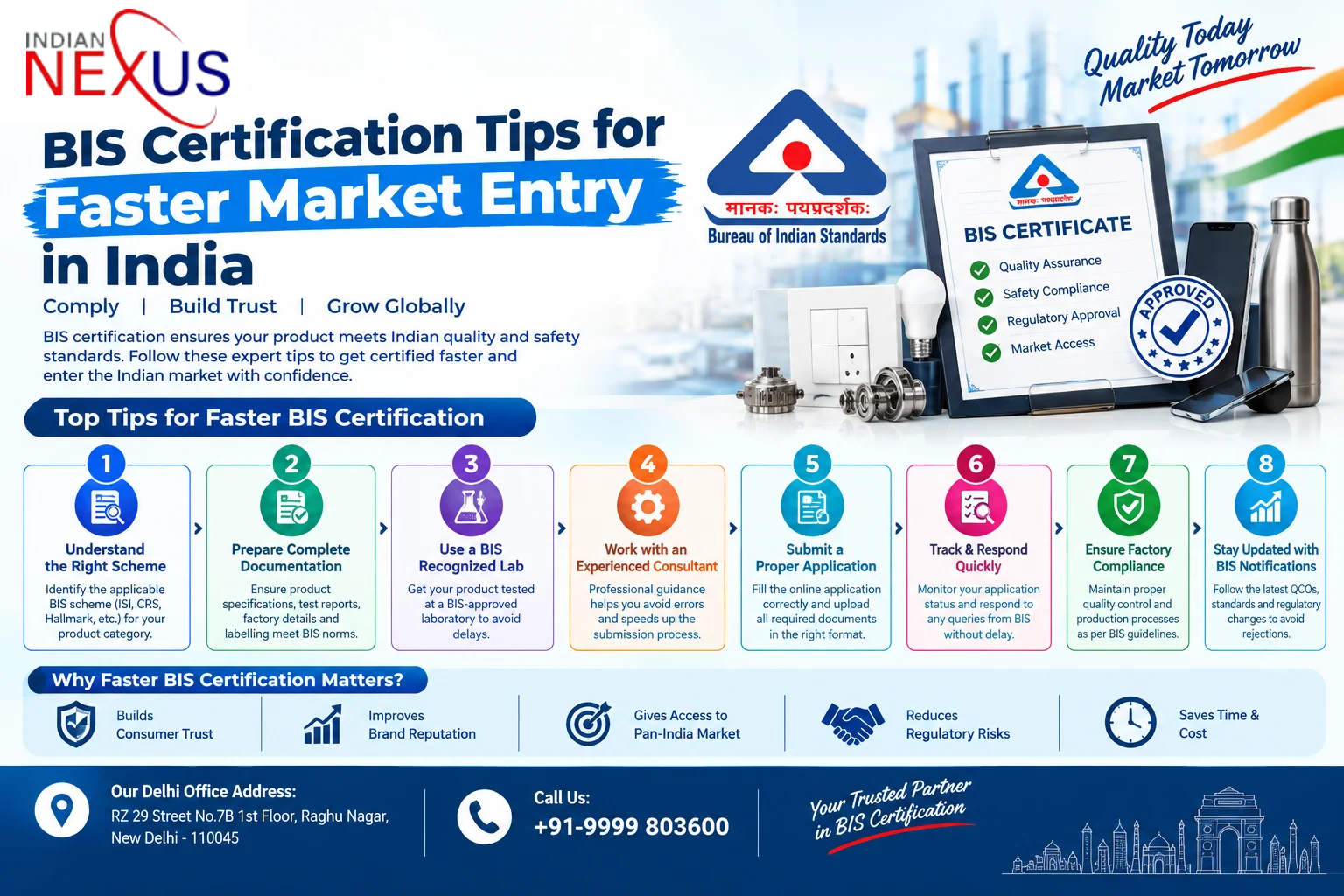
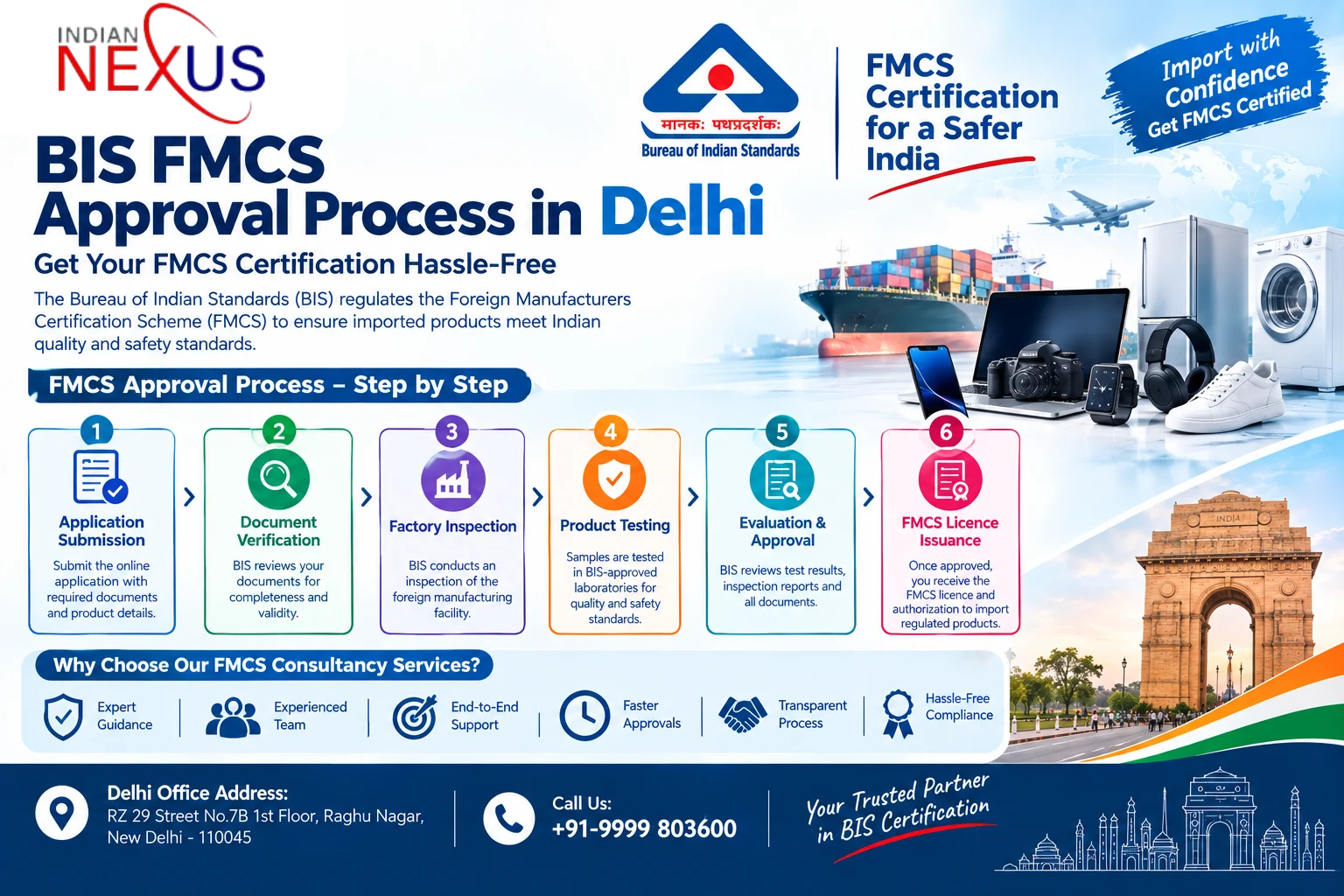
The Bureau of Indian Standards (BIS) plays a central role in implementing OTR. Through the BIS Scheme X, manufacturers and importers must ensure that their machinery complies with the relevant Indian Standards. The scheme mandates BIS Certification, ensuring that both finished machinery and its components and sub-assemblies meet conformity assessment requirements.
First Schedule Machinery
The OTR applies to a list of machinery categories mentioned under the First Schedule of machinery. These typically include high-risk products such as construction equipment, heavy-duty electrical machines, and industrial safety devices. The regulation not only safeguards end-users but also improves India’s reputation as a market that values compliance and quality.
Extension of Compliance Deadline
Initially, many manufacturers expressed concerns regarding the implementation timelines. To ease the transition, the government provided an extension of the compliance deadline, allowing companies to adjust production, testing, and certification processes without disrupting supply chains. This move ensured fair participation from both domestic and international manufacturers.
Manufacturers & Importers Obligations
The OTR clearly defines the roles of manufacturers and importers. They are required to:
Register their products under the BIS Certification schemes.
Ensure safety conformity of components and sub-assemblies.
Conduct regular testing in BIS-approved labs.
Maintain transparency in labeling and compliance documentation.
BIS Conformity Assessment Regulations
Under the BIS Conformity Assessment Regulations, the OTR mandates periodic inspections and testing to verify ongoing compliance. This framework ensures that companies do not just obtain certification once but maintain quality and safety throughout the product lifecycle.
Conclusion
The Omnibus Technical Regulation is a landmark move that strengthens the safety of machinery & electrical equipment, enforces accountability among manufacturers and importers, and streamlines compliance through the BIS Scheme X and BIS Certification. With the inclusion of First Schedule machinery and oversight on components and sub-assemblies, India has set a new benchmark in product safety and conformity assessment.