




As the sales of electronics are rapidly expanding in India, e-waste management has been identified as a core regulatory requirement for manufacturers, importers, and brand owners. Companies involved with electrical and electronic equipment must have EPR authorization under the E-Waste Management Rules 2022 for proper handling and recycling of e-waste. It is important to know how to Apply for E-Waste EPR Registration Online in India and thereby stay compliant.
If you want to complete the process of acquiring an E-Waste EPR Registration Online In India you can avail of a total guide with Indiannexus.
What is E-Waste EPR Registration?
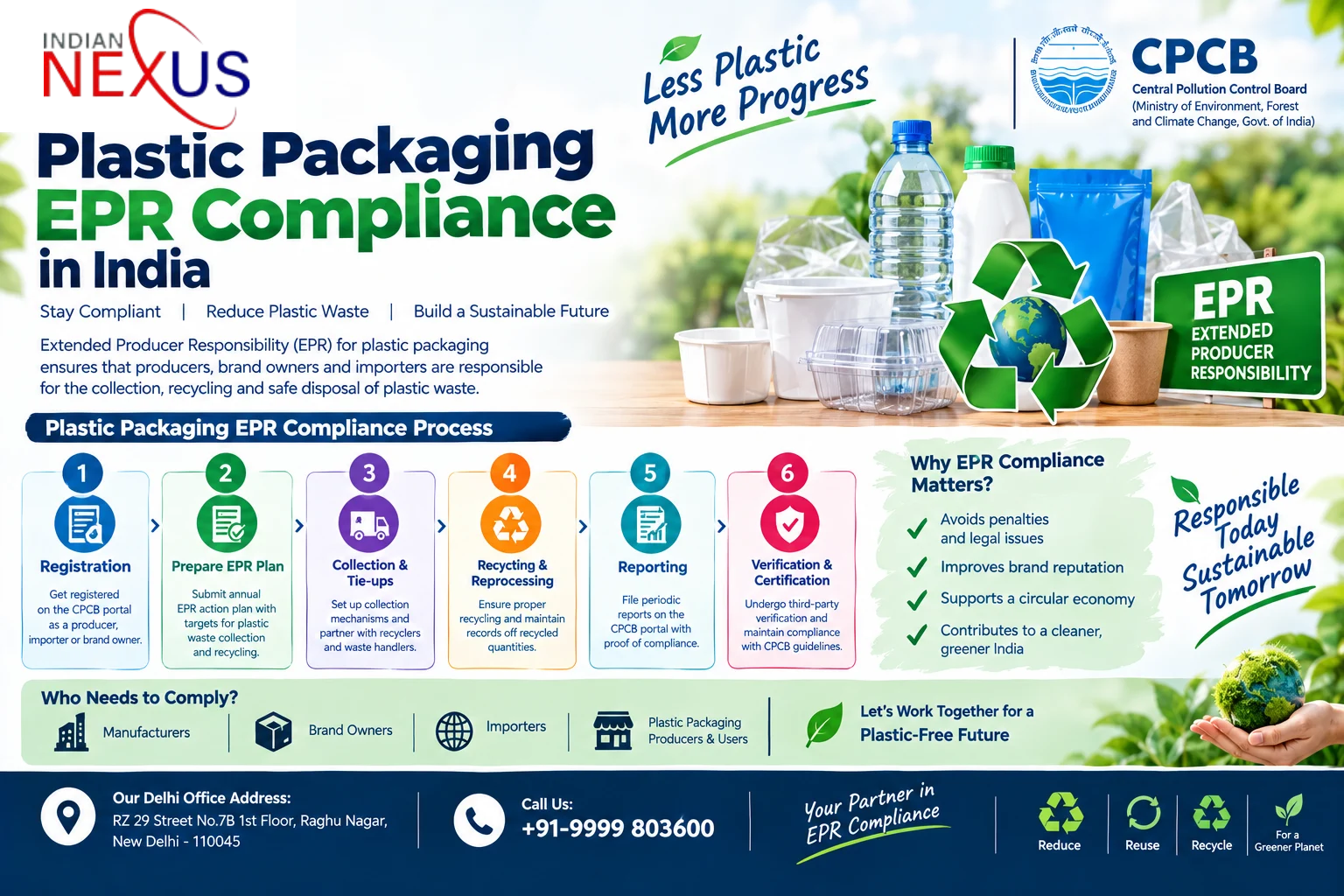
E-Waste EPR Registration can be defined as the necessary license that is granted by the CPCB to manufacturers, importers, brands, and manufacturers who are involved in electronic products. In Producer Responsibility for E-Waste, they're being asked to collect and recycle and dispose of the e-waste from their products.
You may have heard about the government's new digital compliance platform. This system aims to simplify and add transparency to your How to Apply for E-Waste EPR Registration Online in India process on the CPCB portal.
Why is EPR Registration Important?
Businesses dealing in electronics must ensure proper waste management and recycling. EPR Compliance for Electronics helps organizations:
Meet legal obligations under environmental laws
Reduce environmental pollution
Achieve sustainability goals
Improve brand reputation
Fulfill E-Waste Recycling Targets India
Obtain legal authorization from CPCB
Failure to obtain CPCB E-Waste EPR Authorization can result in penalties and operational restrictions.
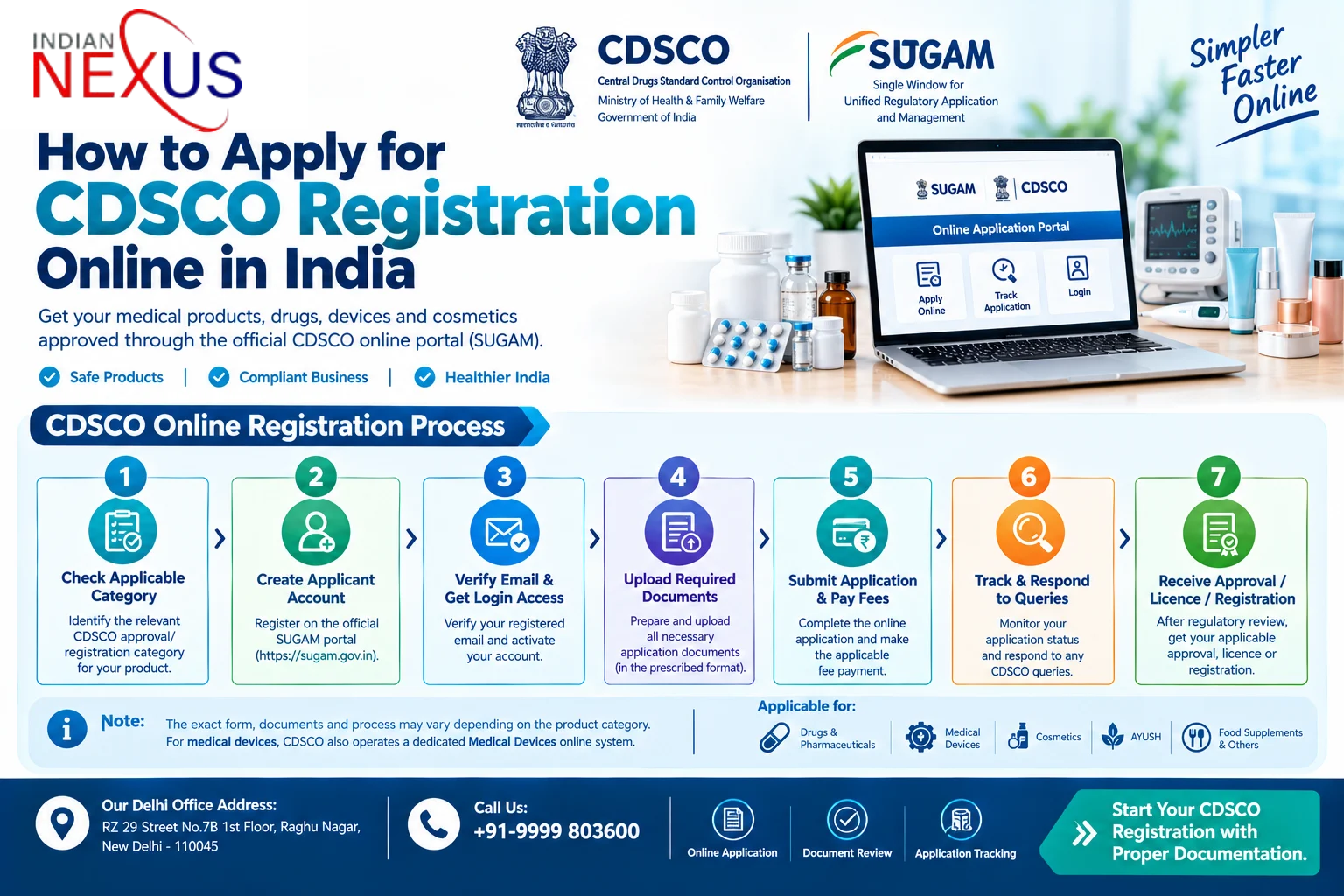
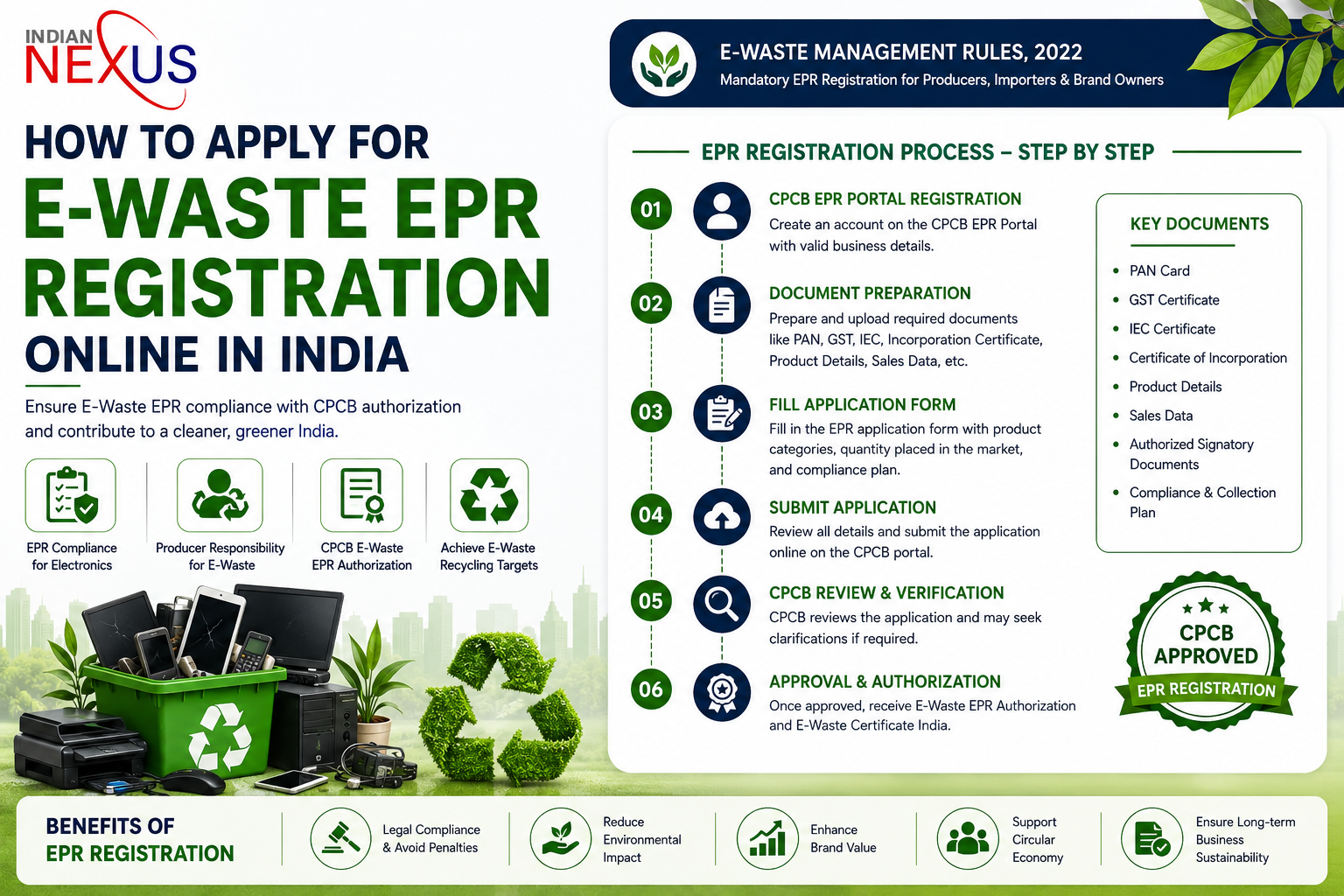
How to Apply for E-Waste EPR Registration Online in India – Step-by-Step Process
Many businesses search for How to Apply for E-Waste EPR Registration Online in India because the registration process involves multiple compliance requirements.
Step 1: Business Assessment
Understand whether your company qualifies as a producer, importer, manufacturer or brand owner that needs to perform EPR Registration for E-Waste.
Step 2: Creating documentation files
Gather your documents in order:
GST Certificate
PAN Card
IEC Certificate (for importers)
Company Incorporation Certificate
Product Details
Authorized Signatory Documents
Waste Management Plan
Step 3: CPCB Portal Registration
Create an account on the CPCB EPR Portal Registration platform and submit company details.
Step 4: Upload Compliance Information
Upload product categories, sales data, collection plans, and recycling commitments.
Step 5: Submission of Application
Submit the application for Online E-Waste EPR Registration India through the CPCB portal.
Step 6: CPCB Review
The CPCB will then look at the application. It might even ask you questions.
Step 7: Approval and Authorization
After successful verification, the organization receives its E-Waste Certificate India and authorization for compliance activities.
Businesses often seek expert assistance when learning How to Apply for E-Waste EPR Registration Online in India because errors in documentation can delay approval.
Documents Required for EPR Registration
To complete How to Apply for E-Waste EPR Registration Online in India, businesses generally need:
Company PAN
GST Registration
IEC Certificate
CIN Registration
Product Details
Sales Data
Authorized Person ID Proof
Collection Mechanism Details
Recycling Agreements
Proper documentation ensures faster approval under the EPR Registration Process India.
Benefits of Professional EPR Consultancy
Working with an experienced EPR Consultant for E-Waste provides several advantages:
Accurate application filing
Faster CPCB approval
Compliance monitoring
Documentation support
Annual return guidance
Recycling target management
At Indiannexus, our experts help businesses understand How to Apply for E-Waste EPR Registration Online in India while ensuring complete compliance with current regulations.
Why Choose Indiannexus?
Indiannexus offers end-to-end support for:
E-Waste EPR Registration
CPCB E-Waste EPR Authorization
Electronic Waste Compliance India
Recycling target fulfillment
Annual compliance management
Documentation and portal support
With our expert consultant, we help you understand How to Apply for E-Waste EPR Registration online in India and get the approvals fast.
Conclusion
Whether you are a producer, importer, or seller of electronics products in India, you must know How to Apply for E-Waste EPR Registration Online in India. The E-Waste Management Rules 2022 has made it necessary to obtain authorization to run the business according to rules. An authorized person can avail it on the CPCB portal. Partnering with experts like Indian Nexus to fulfill these registration and ongoing regulatory requirements allows you to remain compliant and focus on long-term growth and sustainability of your business in the future.
FAQs
1. What is E-Waste EPR Registration?
Providing a compulsory authorization from CPCB for producers and importers of electronic products for responsible e-waste disposal.
2. Who needs EPR Registration for E-Waste?
Anyone manufacturing or producing the products like: those who will eventually own the brand, distribute the products into the European market.
3. EPR Registration required for businesses in India?
The length of time will be determined by the extent of documentation and review from the CPCB.
4.Is EPR Registration Compulsory in India?
It definitely is! It has been mandated by the E-Waste Management Rules 2022.
5. What is the CPCB EPR Portal Registration?
Official online portal to file EPR Application and file EPR compliance reports.
6. Can consultants help with EPR compliance?
Can experts help with procedures? Yes, we have established consultants to help with registration, documentation and satisfy the requirements of regulations.
7. What happens if a company does not obtain EPR authorization?
The consequences business may encounter include fines, lawsuits and legal compliance