






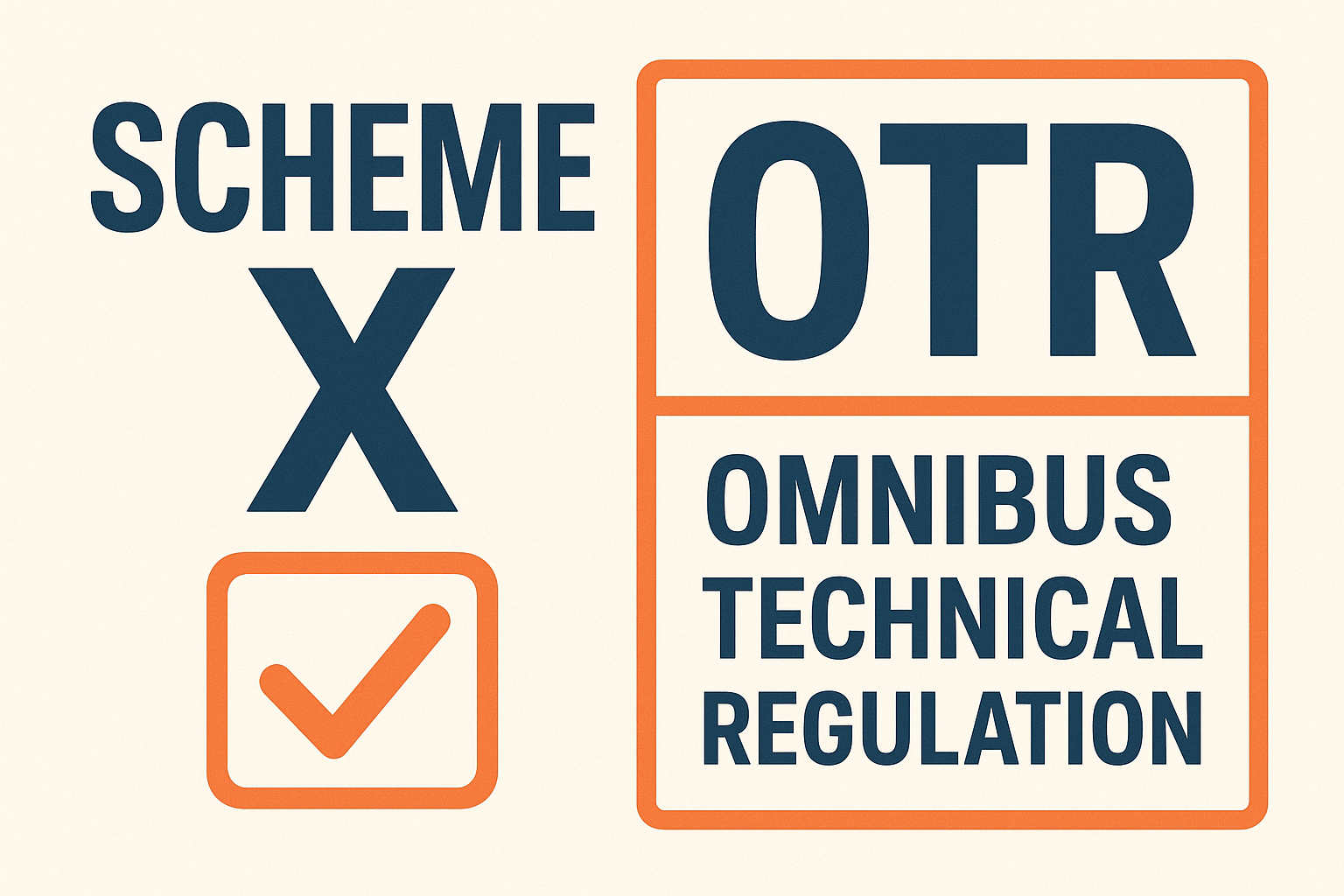
Scheme X, often referred to as BIS Scheme X or the Omnibus Technical Regulation (OTR) framework, is a streamlined certification mechanism developed to ensure that products entering the Indian market comply with essential quality, safety, and regulatory benchmarks. As global supply chains expand and the number of imported goods rises, India has adopted a more integrated, faster, and uniform regulatory system to safeguard consumers while supporting industry growth. Scheme X plays a central role in this transformation by bringing multiple product categories and compliance requirements under a single, harmonised structure.
What Is Scheme X?
Scheme X is a regulatory scheme conceptualised to simplify the process through which manufacturers—both domestic and foreign—obtain mandatory certifications for their products. Previously, companies often had to navigate multiple approval pathways, individual product notifications, and category-specific compliance checks. Under Scheme X, these requirements are merged into an Omnibus Technical Regulation, enabling one consolidated framework to govern multiple product standards.
This system provides clarity, efficiency, and faster approval timelines. It reduces redundancies and significantly cuts the administrative burden on businesses. Scheme X is especially beneficial for sectors that deal with rapid technological advancements, such as electronics, IT hardware, industrial equipment, appliances, and consumer goods.
Need for Scheme X / OTR
The market today witnesses fast-changing product designs, evolving technologies, and heightened consumer expectations. Traditional certification mechanisms often struggle to keep pace, leading to delays and inconsistent compliance experiences. The introduction of the OTR (Omnibus Technical Regulation) under Scheme X allows the government to issue broad, multi-product regulations in one go, instead of releasing fragmented notifications.
Benefits include:
Uniformity in Standards: All relevant products follow standardised rules without ambiguity.
Faster Certification Cycles: Manufacturers reduce time-to-market by avoiding repetitive approvals.
Improved Market Surveillance: Regulators can better monitor product safety and technical compliance.
Ease for Importers and Exporters: A single framework reduces confusion and compliance barriers.
Key Features of BIS Scheme X
The Bureau of Indian Standards (BIS) plays a pivotal role in administering Scheme X. The BIS Scheme X framework ensures that product quality is thoroughly evaluated before certification is granted. Key features include:
1. Harmonised Regulations
Under OTR, multiple product categories are grouped into unified regulations. This allows manufacturers to understand all compliance requirements without studying dozens of separate documents.
2. Risk-Based Classification
Scheme X categorises products into high-risk, medium-risk, and low-risk groups. High-risk items undergo more rigorous testing, while low-risk products follow simplified procedures. This saves time and resources without compromising safety.
3. Streamlined Testing & Inspection
Testing requirements are consolidated under accredited laboratories recognised by BIS. Manufacturers benefit from faster lab processes, clearer documentation guidelines, and reduced duplication of tests.
4. Simplified Certification for Imported Goods
Foreign manufacturers importing products to India often struggled with overlapping regulatory frameworks. Scheme X eliminates many such complexities by merging requirements into a single process governed by BIS standards.
5. Stronger Enforcement Mechanisms
The OTR framework enhances traceability and post-market surveillance. Regulators can implement penalties more effectively in case of non-compliance, ensuring accountability across the supply chain.
Relation Between Scheme X, OTR, and BIS
While Scheme X and OTR are often used interchangeably, they represent two layers of the same regulatory ecosystem. Scheme X is the mechanism through which certification is performed, whereas OTR (Omnibus Technical Regulation) is the overarching regulatory framework that defines the technical requirements.
BIS, on the other hand, acts as the nodal authority overseeing standards, testing, certification, and licensing. When the government issues an OTR notification, BIS aligns Scheme X processes to ensure that all product approvals occur under that unified regulation.
How Scheme X Works
The workflow under Scheme X typically includes the following steps:
1. Product Identification & Applicability
Manufacturers first identify whether their product category falls under an OTR regulation governed by BIS Scheme X. The harmonised list makes this step much easier compared to earlier fragmented systems.
2. Submission of Application
Companies must submit complete technical documentation, including product specifications, compliance reports, risk categorisation details, and factory information (for foreign applicants, an Authorised Indian Representative is required).
3. Testing & Evaluation
Products are tested at BIS-recognised laboratories. Depending on the risk category, testing may range from basic safety checks to advanced performance assessments.
4. Factory Audit (If Applicable)
For certain medium-to-high-risk goods, BIS conducts a physical or virtual audit of the manufacturing facility.
5. Grant of License Under Scheme X
Once all requirements are met, BIS grants the certification/license. Products can then be sold, imported, or distributed legally in India.
6. Post-Certification Surveillance
BIS regularly monitors certified products through market inspections, random sampling, and compliance reviews.
Sectors Benefiting from Scheme X / OTR
A wide range of industries gain from the streamlined certification structure:
Electronics and IT equipment
Appliances and consumer goods
Machinery and tools
Automotive components
Electrical and industrial devices
Energy-efficient and environmentally regulated products
Components critical to safety and performance
Why Scheme X Matters for Manufacturers
In today’s competitive landscape, compliance is not just a legal necessity but a brand-building tool. Scheme X ensures:
Faster market entry
Lower compliance costs
Higher transparency in standards
Better consumer trust
Smooth export-import operations
For businesses seeking long-term growth in India, understanding and aligning with the BIS Scheme X and the Omnibus Technical Regulation is essential.