






The rapid growth of plastic consumption in India has created a pressing environmental challenge: plastic waste management. With millions of tons of non-biodegradable waste generated annually, improper disposal leads to clogged drainage systems, soil degradation, and severe ecological imbalance. To counter these challenges, researchers, engineers, and policymakers are exploring innovative methods of repurposing plastic waste into useful applications. One of the most promising solutions is the use of plastic waste as a sustainable aggregate in bituminous mixtures for road construction.
This technique not only addresses the growing problem of plastic waste but also improves the performance of roads, making them more durable and cost-effective. In addition, businesses and municipalities often seek expert guidance from regulatory and technical advisors, such as a CPCB plastic consultant in Delhi or a CPCB plastic consultant in India, to ensure compliance with waste management norms while adopting such sustainable innovations.
The Concept of Repurposing Plastic in Roads
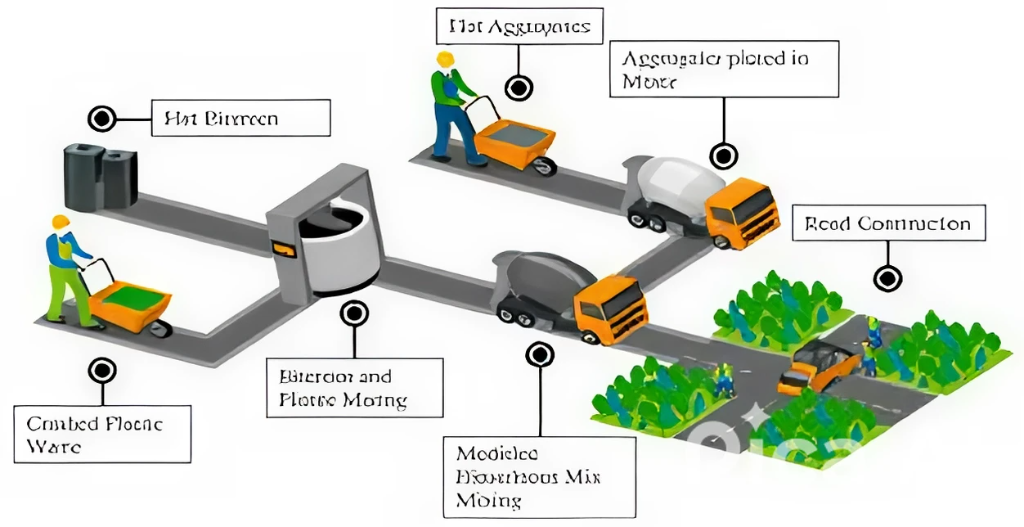
Bituminous mixtures form the backbone of road construction. Traditionally, natural aggregates and bitumen serve as the primary components. However, integrating shredded or repurposed plastic waste into these mixtures has been proven to enhance strength, durability, and resistance to wear and tear. The plastic waste, often sourced from single-use plastics, carry bags, packaging films, and bottles, is shredded into small pieces and coated over hot aggregates.
When mixed with hot bitumen, these treated aggregates create a homogeneous and flexible road surface. Studies show that roads built with plastic waste additives exhibit greater resistance to water, load-bearing capacity, and reduced maintenance costs. This eco-friendly approach simultaneously diverts plastic waste from landfills and provides a cost-effective alternative to traditional materials.
Environmental and Economic Benefits
1. Waste Diversion from Landfills
Repurposing plastic waste prevents tons of non-biodegradable material from accumulating in landfills and oceans. This directly contributes to cleaner cities and reduced soil and water pollution.
2. Cost-Effective Road Construction
Plastic waste, being readily available, reduces the dependency on expensive natural aggregates. Municipalities and contractors save both on material costs and road maintenance.
3. Durability and Strength
Roads built using plastic-modified bitumen are more resistant to heavy traffic loads, adverse weather conditions, and water-induced damage. This increases the lifespan of the infrastructure.
4. Reduction in Carbon Footprint
By substituting a portion of natural aggregates with repurposed plastic, the extraction of raw materials like stone and sand is minimized, thereby reducing environmental degradation and greenhouse gas emissions.
Role of CPCB and Expert Consultants
The Central Pollution Control Board (CPCB) plays a pivotal role in formulating guidelines for plastic waste management in India. With strict Extended Producer Responsibility (EPR) regulations, companies and local authorities must comply with CPCB norms when managing and repurposing plastic waste.
Here, the expertise of professionals such as a CPCB plastic consultant in Delhi becomes crucial. These consultants help businesses navigate complex compliance requirements, obtain necessary approvals, and adopt sustainable practices for plastic reuse. They guide stakeholders in implementing eco-friendly projects such as plastic road construction in accordance with CPCB regulations.
Moreover, a CPCB plastic consultant in India can assist industries nationwide with EPR compliance, plastic recycling partnerships, and sustainable infrastructure projects. Their expertise ensures that organizations not only meet legal obligations but also contribute to the larger goal of environmental sustainability.
Case Studies and Adoption in India
India has already seen significant success with plastic waste in bituminous mixtures. States like Tamil Nadu, Karnataka, and Maharashtra have pioneered plastic road construction, with thousands of kilometers of roads laid using this technique. The results have been encouraging: roads last longer, withstand monsoon damage better, and reduce overall maintenance costs.
The Indian government, through initiatives like the Swachh Bharat Mission and CPCB’s plastic waste management rules, encourages municipalities to adopt such sustainable solutions. By collaborating with certified consultants, many urban local bodies have developed road projects that utilize plastic waste while adhering to environmental standards.
Challenges in Implementation
While the concept is highly beneficial, challenges remain:
Lack of standardized procedures for the collection and segregation of plastic waste.
Limited awareness among contractors and municipal bodies.
Need for stronger enforcement of CPCB guidelines.
Requirement of trained experts and technical guidance.
This is why partnering with a CPCB plastic consultant in Delhi or a CPCB plastic consultant in India becomes essential. These consultants bridge the gap between policy and practice, ensuring smooth adoption of sustainable technologies.
Conclusion
Repurposing plastic waste as a sustainable aggregate in bituminous mixtures is a revolutionary step toward tackling India’s plastic pollution crisis. It offers a dual advantage: reducing environmental hazards caused by plastic and creating stronger, long-lasting roads. However, successful implementation requires strict adherence to CPCB guidelines and expert guidance.
Businesses, municipalities, and infrastructure developers should seek support from a CPCB plastic consultant in Delhi or a CPCB plastic consultant in India to ensure compliance and maximize the benefits of this eco-friendly technology. By combining innovation, policy, and expert guidance, India can transform its plastic waste problem into an opportunity for sustainable development