




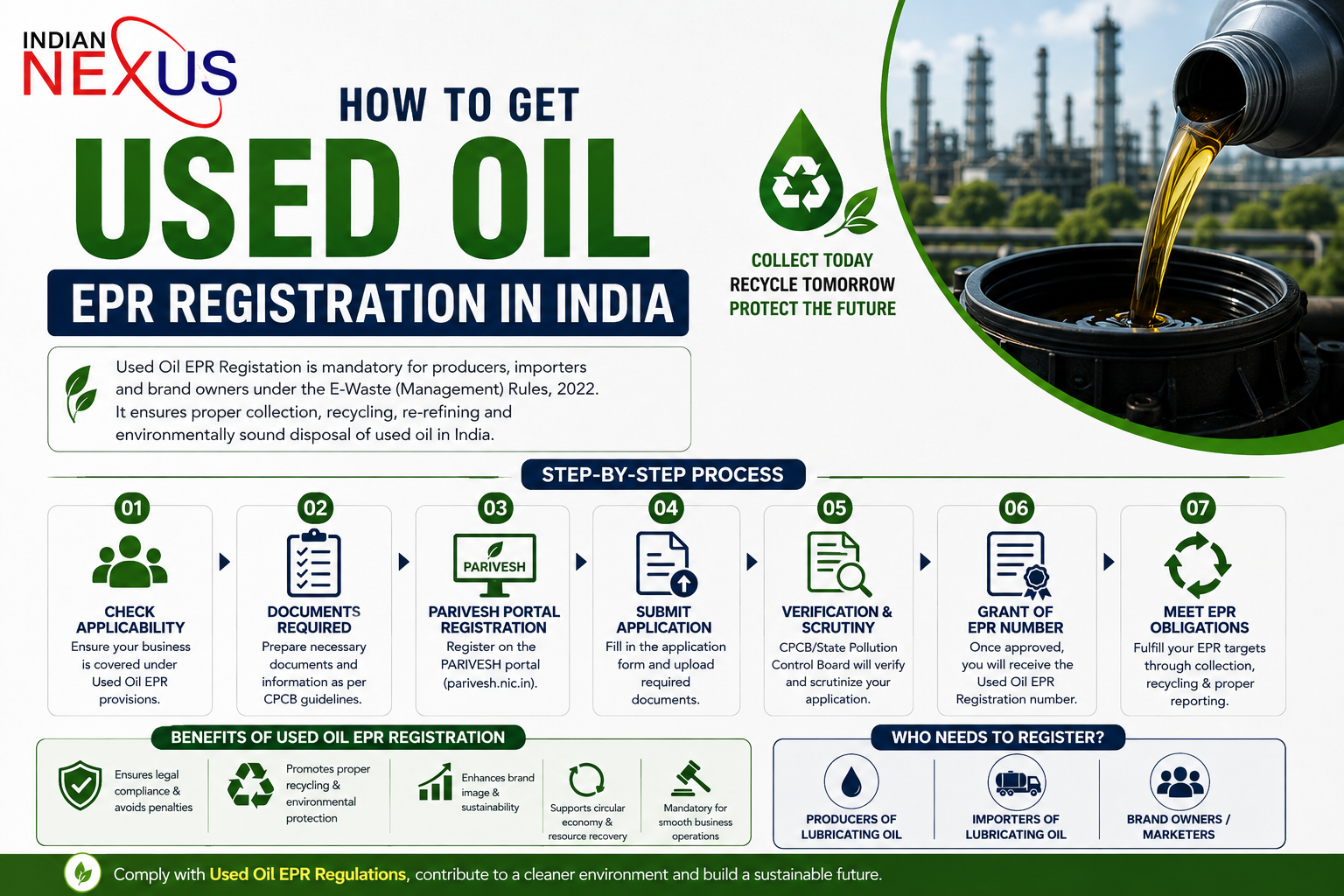
Taking responsibility for used oil now forms a vital compliance regulation for every producer, importer, recycler and collectors active in India. To this effect, the Government of India is focusing more on environmental standards for collection, transporting, recycling and even disposal of used oil collected across the country. Businesses involved in the used oil must Know How to Get Used Oil EPR Registration in India to abide by the environmental standards and to avoid penalties.
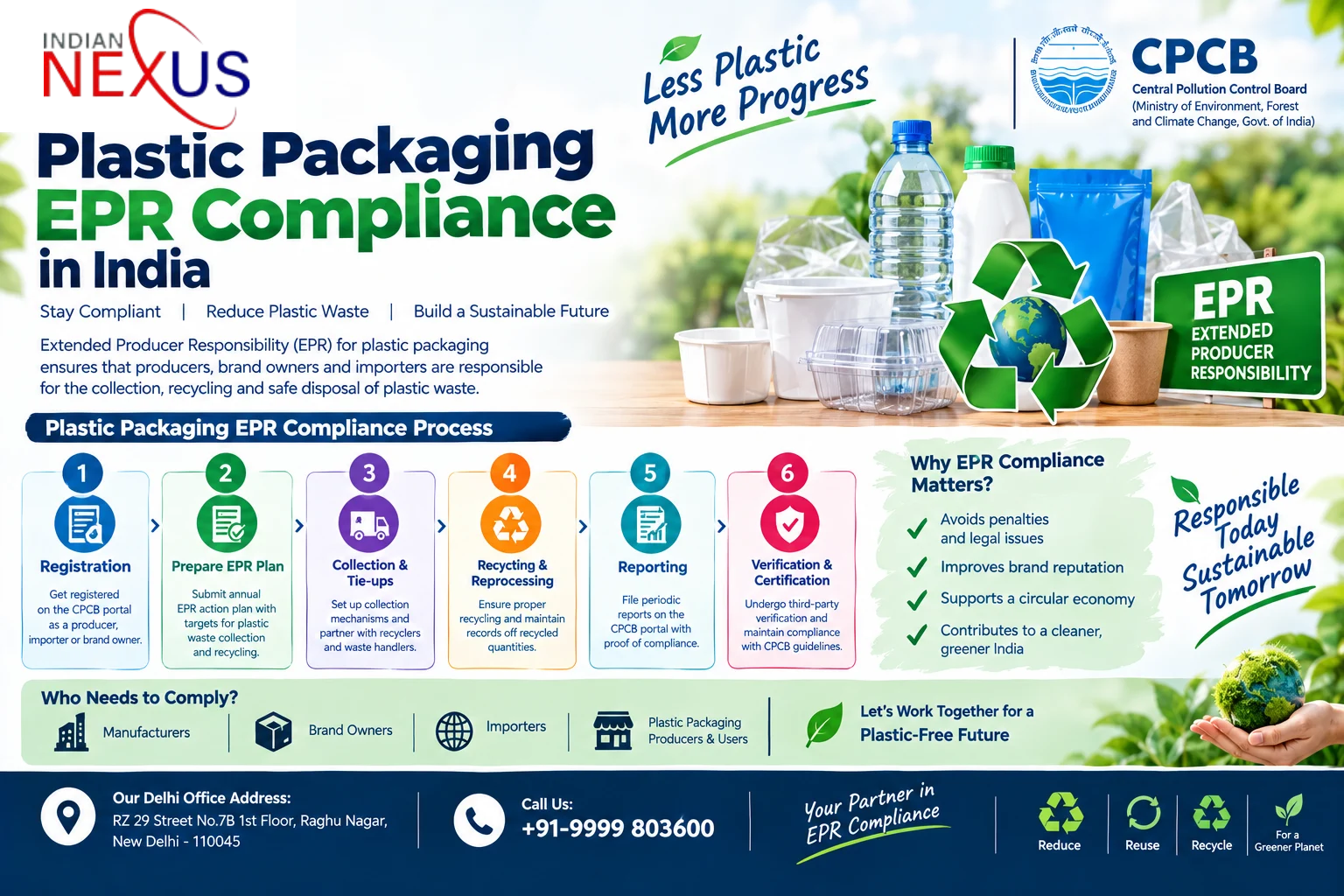
Learn About The EPR Policy used oils: We, Extended Producer Responsibility (EPR), is an environmental approach where all the producers and importers have been granted the responsibility of treating their products. Nowadays, Used Oil EPR Registration India is quite imperative due to our newest environmental policies for the persons indulged in the manufacturing of, the import, and sale & recycling.
What is Used Oil EPR Registration?
Used Oil EPR Registration India is a regulatory approval granted through the Central Pollution Control Board (CPCB) portal. It ensures that obligated entities fulfill their responsibility for collecting and recycling used oil through authorized recyclers.
For industries that intend to take a used oil EPR Registration in India, they should first go on to the CPCB portal and register themselves with recycling requirements and percentages as per the standards. The process keeps transparency in waste oil dealing in useable manner.
Who Needs Used Oil EPR Registration?
The following entities generally require EPR Registration for Used Oil:
Producers of lubricating oil
Importers of lubricating oil products
Brand owners
Used oil recyclers
Collection agencies
Waste management organizations
Obtaining Used Oil EPR Authorization demonstrates compliance with environmental regulations and contributes to responsible resource management.
Documents Required for Registration
When applying for CPCB Used Oil EPR Registration, businesses may need:
Company PAN Card
GST Registration Certificate
CIN or business incorporation documents
Authorized signatory details
Pollution Control Board approvals
Import-export documents (if applicable)
Business address proof
Recycling agreements with authorized recyclers
Proper documentation simplifies the process of How to Get Used Oil EPR Registration in India and helps avoid application delays.
Registration Process Step-by-Step :-
Step 1: Do these apply to your needs
Know the nature of your company that could be producer, importer, brand owner, recycler, or collection agency
Step 2: Prepare Documentation
Collect all required compliance documents and business records.
Step 3: CPCB Portal Registration
Start by creating an account in the Used Oil EPR Portal Registration and upload your organizational information.
Step 4: Upload Documents
Upload supporting documents and compliance declarations.
Step 5: Verification by CPCB
Authorities review the application and verify submitted information.
Step 6: Grant of Registration
Upon approval, applicants receive the Used Oil EPR Certificate India.
Step 7: Ongoing Compliance
All organizations must keep records of the Used Oil Collection and Recycling and annual recycling commitments.
Businesses often seek expert support to understand How to Get Used Oil EPR Registration in India efficiently and accurately.
Importance of Used Oil EPR Compliance
Maintaining Used Oil EPR Compliance offers several benefits:
Legal compliance with environmental laws
Reduced risk of penalties
Improved sustainability performance
Enhanced corporate reputation
Better waste traceability
Support for circular economy initiatives
Organizations achieving Used Oil Recycling Compliance India contribute significantly to environmental protection and resource conservation.
Role of Authorized Recyclers
Authorized recyclers play a key role in EPR for Waste Lubricating Oil by collecting, processing, and recycling used oil through approved technologies. Businesses must collaborate with authorized facilities to meet their EPR obligations.
Following Waste Oil Management Rules India is to practice responsible, and effective disposal of the hazardous wastes.
Why Choose Professional Assistance?
Indian companies are usually in a mode of trusting experienced vendors to help them through the "How to Get Used Oil EPR Registration in India" process, as regulations and documentation could get intimidating.
Indianexus, a professional firm, helps companies in availing Used Oil EPR Authorization, paper management, compliance in the portal and meeting recycling goals as per the regulations.
An experienced Used Oil EPR Consultant India can guide businesses through all the necessary registration processes and even ensure regulatory compliance in the years to come.
Conclusion
Businesses involved with the manufacturing, importing, collection, and recycling of lubricating oils must have a good knowledge of How to Get Used Oil EPR Registration in India. Implementing Used Oil Producer Responsibility, maintaining a solid record of evidence and obtaining CPCB registration will allow your business to operate in a sustainable and compliant manner. You can focus on the Hazardous waste oil compliance by collaborating with one of the enlisted Used Oil recyclers in India and fulfilling EPR criteria.
FAQs
1. What is Used Oil EPR Registration?
It is CPCB registration that enables producers and importers to fulfill their responsibility for used oil collection and recycling.
2. Who requires Used Oil EPR Registration in India?
Producers, importers, brand owners, recyclers and collection agencies in the used oil loop.
3. What is the validity of a Used Oil EPR Certificate India?
The validity of the product is as per the CPCB regulations and the registration conditions met.
4. Why is Used Oil EPR Compliance important?
To meet legal requirements, to safeguard the environment, and to promote recycling of waste oil.
5. What documents are needed for CPCB Used Oil EPR Registration?
PAN, GST, registration papers, PCB approval, proof of address, and other compliance documents.
6. Can a consultant help with registration?
Yes. A professional Use Oil EPR Consultant India can handle all your documentation, portal filing and has the complete knowledge of complying.
7. When will the process be completed?
The exact duration depends on the verification by CPCB, depending on the verification and record maintenance standards they maintain.