






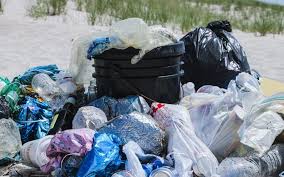
In recent years, India has taken firm steps to reduce plastic pollution and promote sustainable waste management. One of the most significant policy interventions is the ban on certain categories of single-use plastic (SUP) and the introduction of Extended Producer Responsibility (EPR) certification. A Parliamentary Question raised on the status of the ban on single-use plastic highlights the importance of EPR certification as a regulatory tool to enforce accountability among producers, importers, and brand owners (PIBOs).
Understanding the Ban on Single-Use Plastic
The Government of India, through the Plastic Waste Management (PWM) Rules, 2016, and subsequent amendments, banned the manufacture, import, stocking, distribution, sale, and use of specific single-use plastic items from July 1, 2022. These include items such as plastic cutlery, straws, earbuds, plates, and packaging films that have low utility but high environmental impact.
The ban has been reinforced in Parliamentary discussions, where legislators frequently seek updates on its effectiveness, implementation, and compliance status across states and industries.
Role of Extended Producer Responsibility (EPR)
While the ban addresses certain categories of plastics, a comprehensive solution to plastic waste lies in the Extended Producer Responsibility (EPR) framework. EPR imposes legal obligations on manufacturers, sellers, and manufacturers of goods to gather, process, recycle, and dispose of plastic goods that they bring into the marketplace in a way that is ecologically sound.
Under this system, PIBOs are required to obtain EPR Certification from the Central Pollution Control Board (CPCB) or State Pollution Control Boards (SPCBs) depending on their operations. This ensures that every stakeholder in the plastic value chain is accountable for sustainable waste management.
EPR Certification and Compliance Requirements
The EPR Certification is mandatory for businesses that manufacture or use plastic packaging materials. It provides them with an official authorization to operate while ensuring compliance with the Plastic Waste Management Rules, 2016 (as amended in 2022).
Key requirements for certification include:
Registration on CPCB Portal: PIBOs must apply online for EPR registration.
Submission of Annual Returns: Businesses must disclose the amount of plastic used, collected, and recycled.
Targets for Waste Management: Companies are given phased targets for collection and recycling of plastic.
Interaction with Licensed Recycling Firms: To guarantee that plastic debris is handled environmentally and effectively.
Link Between Parliamentary Question and EPR Certification
The Parliamentary Question on the status of the ban on single-use plastic not only tracks the implementation of the ban but also examines how effectively industries are transitioning towards compliance under the EPR framework.
Monitoring Compliance: EPR Certification acts as proof that businesses are adhering to the government’s mandate.
Addressing Loopholes: Through Parliamentary discussions, policymakers can identify gaps in enforcement and strengthen EPR obligations.
Promoting Accountability: By mandating EPR certification, the government ensures that the responsibility of waste management shifts from municipalities to the actual producers.
Benefits of EPR Certification
Environmental Protection: Reduces unmanaged plastic waste and prevents pollution of land and water bodies.
Circular Economy: Encourages recycling and reuse, thereby reducing dependency on virgin plastic.
Compliance and Market Access: Businesses that obtain EPR certification can legally operate and maintain credibility.
Sustainable Branding: Demonstrates corporate commitment to environmental responsibility, boosting consumer trust.
Challenges in Implementation
Despite the strict rules, the Parliamentary debates and reports highlight several challenges in the enforcement of the SUP ban and EPR compliance:
Lack of awareness among small manufacturers and MSMEs.
Insufficient recycling infrastructure in certain states.
The informal sector is not fully integrated into the formal waste management system.
Delays in CPCB registration and approvals due to high application volumes.
Addressing these issues is critical for the full realization of the government’s vision of a plastic-free India.
Conclusion
The ban on single-use plastic, combined with the mandatory EPR certification, reflects India’s strong commitment to sustainable development and environmental protection. The Parliamentary Question on the status of the ban highlights not just the progress achieved but also the areas where further action is required.
For businesses, obtaining EPR certification is not only a regulatory necessity but also a step toward responsible corporate citizenship. By complying with the framework, industries contribute to reducing plastic waste, fostering a circular economy, and safeguarding India’s ecological future.