



For manufacturers who want to deliver high-quality, dependable fire safety products in India, ISI Mark Certification for Wheeled Fire Extinguishers IS 16018:2012 is a must have. From industrial units and warehouses to airports and oil and gas plants, wheeled fire extinguishers are common equipment in various industrial and high-risk areas where heavy-capacity fire safety systems are required. Obtaining certification is a must for manufacturers to provide effective, quality-controlled, and safe products.
ISI Certification for Wheeled Fire Extinguishers confirms the product complies with specified quality and safety standards. In this process, products from factories are tested, audited and certified on paper compliance under BIS Scheme-I Certification. Selected manufacturers of Fire Extinguishers are permitted to use the ISI Mark for Fire Protection Products on their certified fire products.
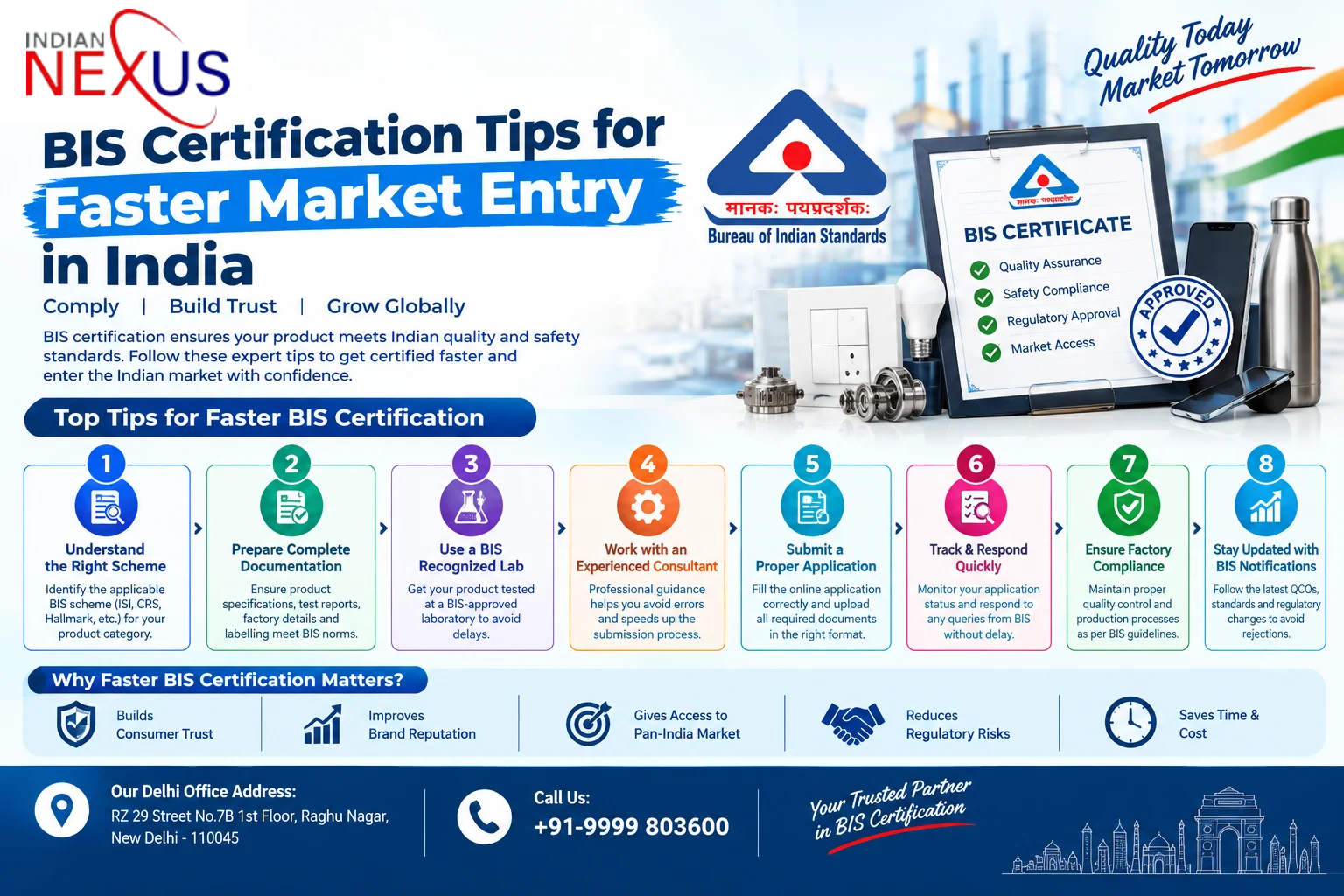
Importance of BIS Certification for Fire Extinguishers
A fire extinguisher is very important while we are in an emergency situation and if something goes wrong in manufacturing or performance of this appliance, the losses can be major. We want to ensure that our products are certified with BIS certification for Fire Extinguisher that confirms that the fire extinguishers adhere to the Fire Extinguisher Quality Standards India.
Key benefits include:
Enhanced product credibility
Compliance with Indian regulations
Improved customer trust
Better market acceptance
Reduced risk of product failures
Eligibility for government and institutional procurement
Manufacturers seeking Fire Safety Equipment Certification India must comply with all technical and quality requirements specified under IS 16018:2012 Compliance guidelines.
Scope of IS 16018:2012 Compliance
IS 16018:2012 specifies requirements for wheeled fire extinguishers used for firefighting applications. The standard covers:
Design requirements
Construction specifications
Performance parameters
Material quality
Safety mechanisms
Testing procedures
Marking and labeling requirements
Compliance with these provisions is mandatory for obtaining Wheeled Fire Extinguisher Approval and BIS License for Fire Extinguishers.
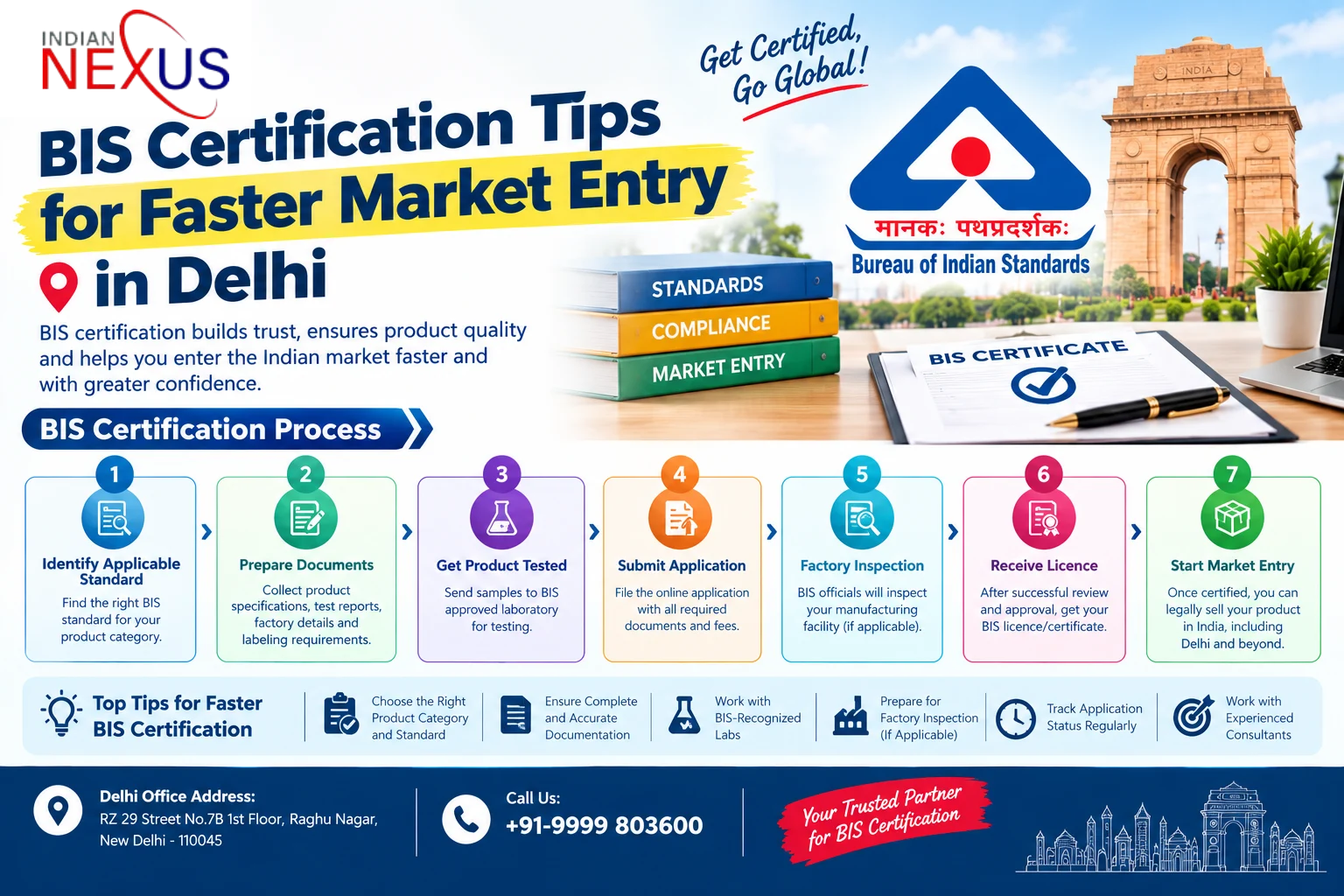
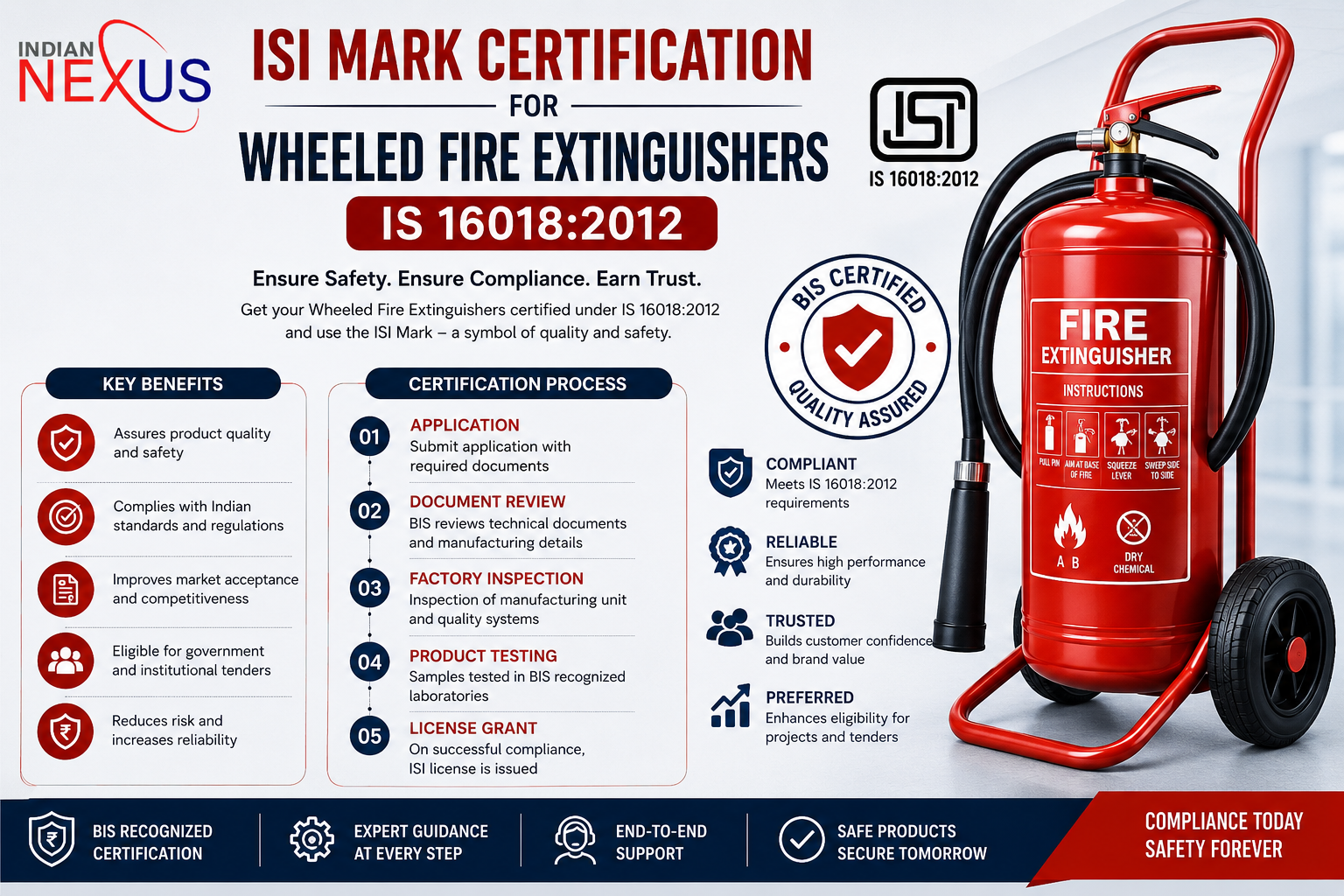
Certification Process Under BIS Scheme-I
The certification procedure generally involves several stages.
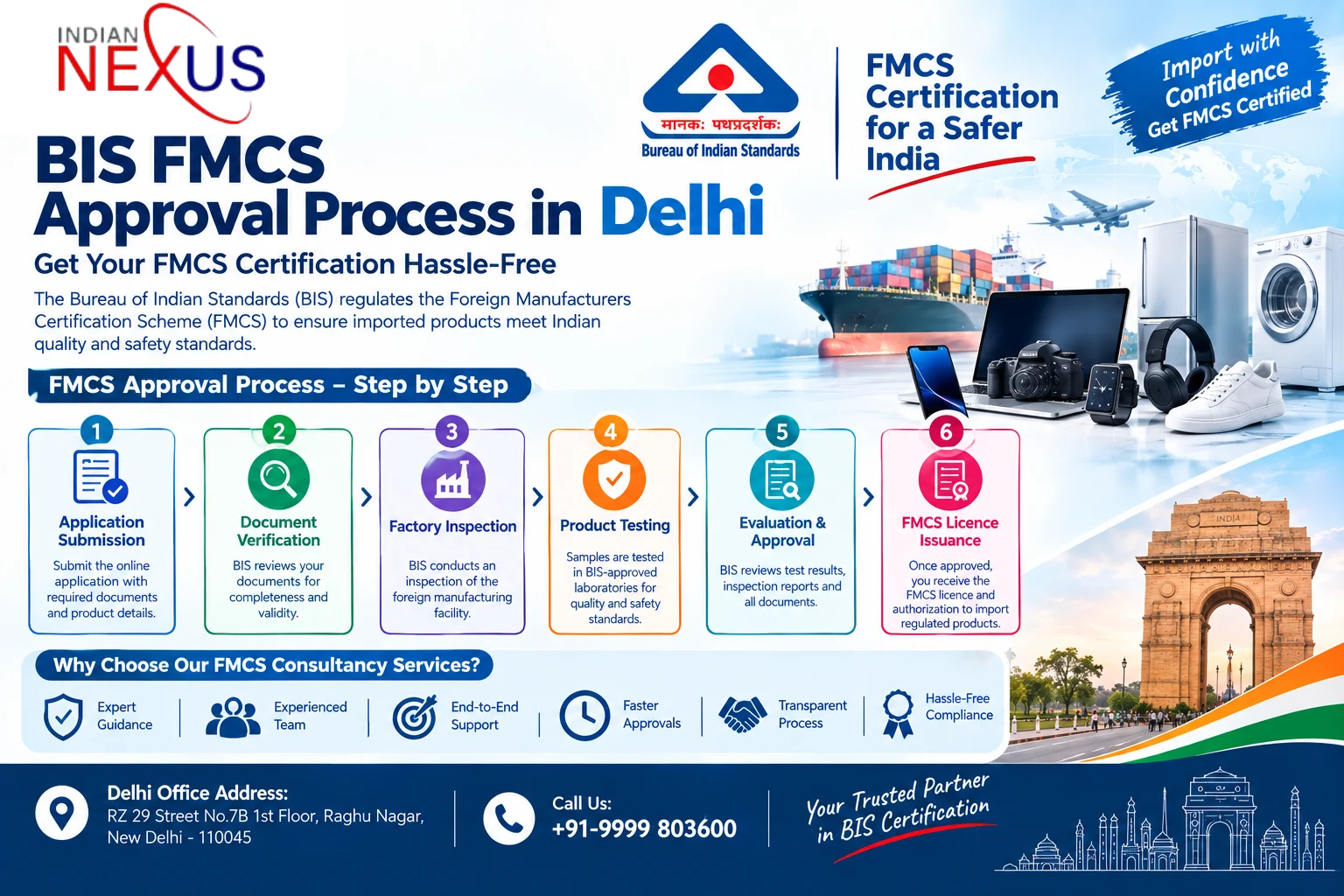
1. Application Submission
Manufacturers submit the application with necessary documentation and technical details of the product.
2. Document Verification
BIS evaluates quality manuals, manufacturing processes, testing facilities, and other compliance-related records.
3. Factory Inspection
BIS officials conduct a factory assessment to verify production capabilities and quality control measures.
4. Product Testing
Samples are tested in BIS-recognized laboratories to confirm compliance with applicable standards.
5. Grant of License
Upon successful evaluation, the manufacturer receives authorization to use the ISI mark.
The complete process ensures that products meet all requirements related to Fire Extinguisher Manufacturing Certification and Product Certification for Fire Safety Equipment.
Documents Required for Certification
Manufacturers typically need:
Business registration documents
Manufacturing unit details
Product specifications
Quality control procedures
Laboratory testing reports
Factory layout
Machinery details
Authorized signatory documents
Proper documentation helps expedite approval and reduces certification delays.
Why Professional Assistance Matters
This process might look confusing especially when it's the very first time you are doing it. A specialized consultant can reduce it as they handle all of your documentation, arrange testing, and can ease up your communications with authorities.
By now, a good number of manufacturers have decided to go professional. Relying on a reputed compliance consulting firm like indiannexus to manage certification, licenses, and regulatory clearances. Indiannexus offers comprehensive guidance and support to help manufacturers effectively secure the ISI Registration for Wheeled Fire Extinguishers.
Product Testing Requirements
Testing is one of the most critical stages of certification. Fire Extinguisher Testing and Certification India involves verifying:
Extinguishing performance
Pressure resistance
Operational reliability
Leakage resistance
Durability
Safety mechanisms
Only products that successfully pass all prescribed tests can receive certification approval.
Benefits of Obtaining ISI Certification
Manufacturers gain several advantages through certification:
Increased market competitiveness
Regulatory compliance
Improved product quality
Higher customer confidence
Enhanced brand reputation
Access to larger procurement opportunities
Reduced product liability risks
Certified products demonstrate compliance with recognized Indian safety standards and offer assurance to buyers and regulatory authorities.
Conclusion
Therefore, obtaining ISI Mark Certification for Wheeled Fire Extinguishers IS 16018:2012 is a necessity for all such manufacturers looking to ensure compliance, quality, and market reputation. With appropriate tests, documentation, factory assessment, and compliance withBIS standards, businesses can get the certification at the ease of it. Whether it is about BIS Certification for Fire Extinguishers, Fire Extinguisher Manufacturing Certification, or getting certified against the complete IS 16018:2012, get your certification to have safer products in Indian Markets.
FAQs
1. What doesISI Mark Certification for Wheeled Fire Extinguishers actually means?
It refers to a BIS certification indicating that your choice of Wheeled Fire Extinguisher has met the standards set out in testing conducted based on BIS 16018:2012.
2. What is covered under IS 16018:2012?
The type of fire extinguisher comes within the scope of a standard covering designing, manufacturing, safety, performance, testing and marking requirements of Wheeled Fire Extinguisher.
3. How long does the certification process take?
Timeframe varies depending on availability of documentation, the testing schedule, and procedures for BIS reviews.
4. What documents are required for certification?
Details about the manufacturing process, quality documents, product specifications, test reports, as well as business registration certificate may also be needed.
5. Why is product testing necessary?
Testing ensures the products perform correctly, are safe and meet the relevant guidelines.
6. Can consultants help with BIS certification?
Yes, consultants do help with the documentation, coordinate the testing, file the applications and manage the compliance.