



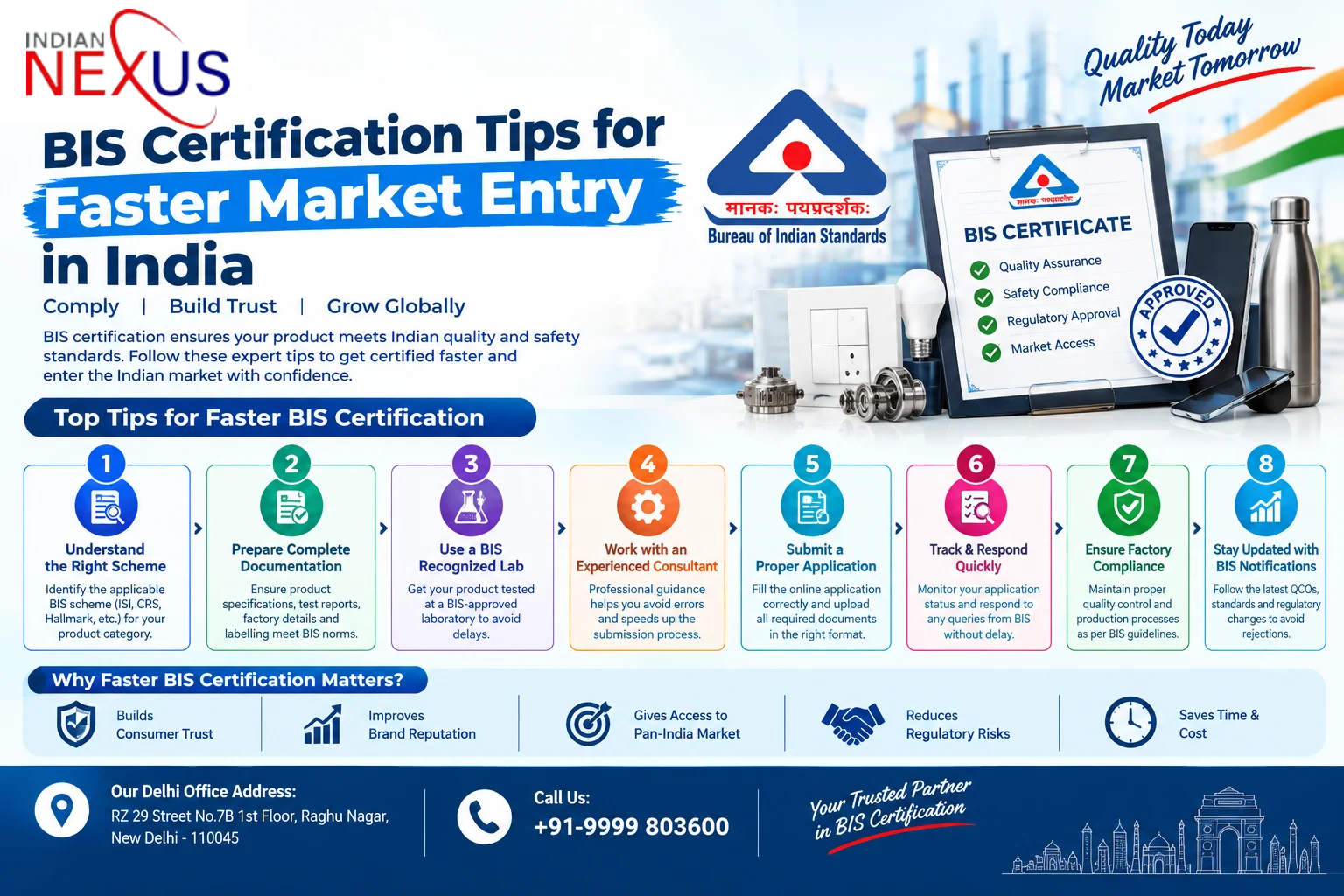

ISI Certification is one of the most trusted quality marks in India, assuring consumers that a product meets the required safety and quality standards. Whether it is electrical appliances, packaged drinking water, or cement, ISI Mark Certification helps buyers choose products with confidence. At the same time, it ensures that manufacturers comply with standards laid down by the Bureau of Indian Standards (BIS). In a country like India, where counterfeit and substandard products often flood the market, ISI Certification in India plays a crucial role in safeguarding consumer interests.
What is ISI Certification?
The operation of examination and authorization of products in accordance with Indian Standards set forth by BIS is known as ISI Certification. The ISI Mark is a symbol of trust, representing that a product has passed stringent quality checks. For manufacturers, obtaining ISI Certification and Registration is not just about compliance—it is about building credibility and customer trust. For consumers, it assures safety and reliability.
Importance of ISI Certification in India
With the rising demand for consumer goods and industrial products, maintaining quality has become critical. ISI Certification in India ensures that:
Products are safe, reliable, and consistent.
Manufacturers adhere to BIS standards.
Consumers are protected from hazardous or substandard items.
Indian products gain more acceptance in domestic and global markets.
Moreover, in many sectors such as electronics, food, steel, and construction materials, ISI Mark Certification is mandatory before products can be sold in the market.
ISI Certification and Registration Process
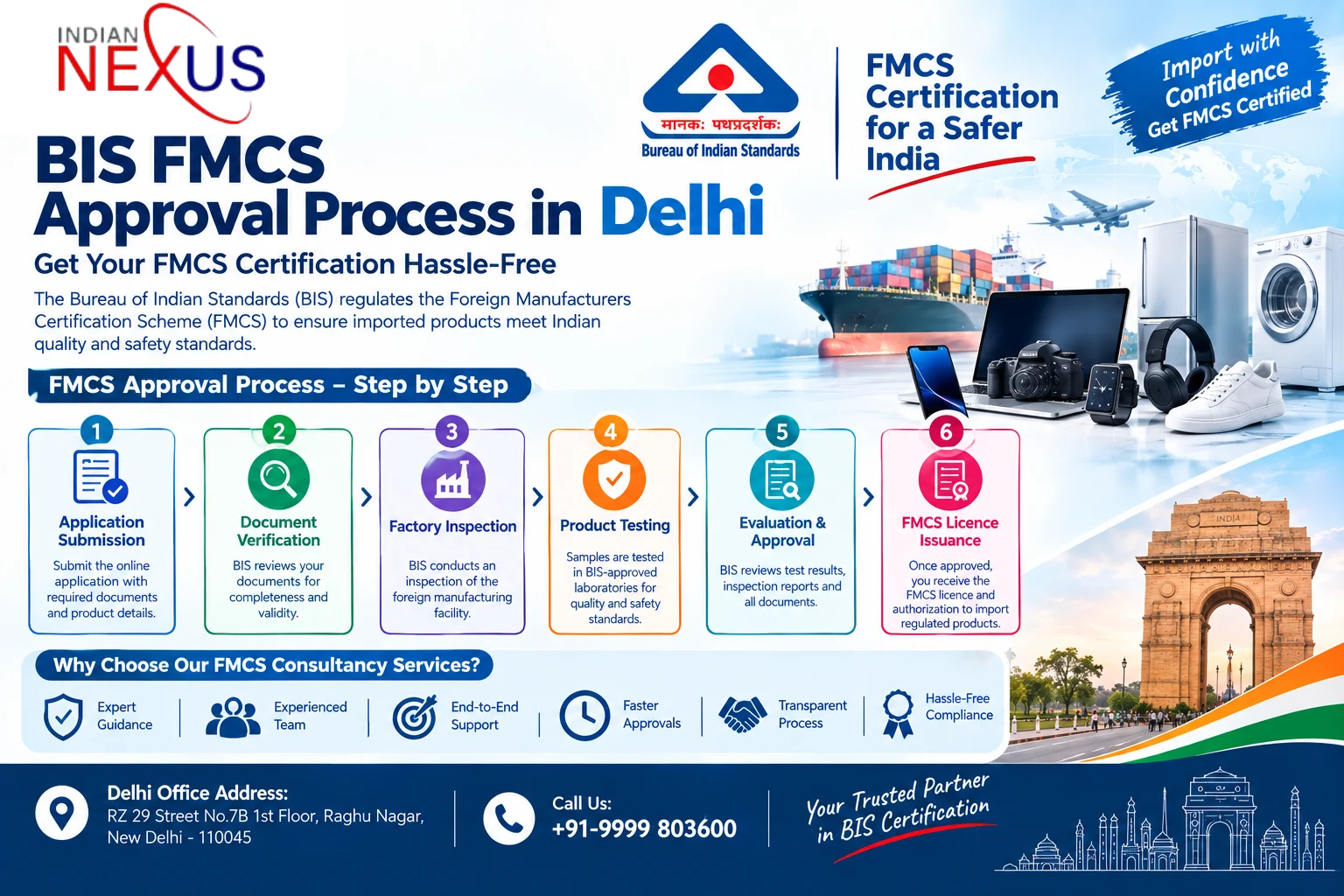
For manufacturers, understanding the ISI Mark Registration Process is essential. The steps generally include:
Application Submission – Manufacturers need to apply to BIS with the required documents and details of the product.
Materials Testing – To ensure adherence to Indian Standards, products are examined in labs accredited by the BIS.
Inspection by BIS – BIS officers conduct a factory inspection to assess production processes, quality control, and testing facilities.
Grant of ISI Mark License – Once all requirements are fulfilled, the manufacturer is issued an ISI Mark License to use the ISI mark on their product.
The license is valid for a specific period and requires renewal through periodic audits and testing.
Role of ISI Certification Consultants
For many manufacturers, particularly small businesses, navigating the ISI Certification process can be a complex task. This is where an ISI Certification Consultant plays a vital role. By hiring experts, companies can save time, reduce errors, and speed up the certification process.
Benefits of ISI Certification
The advantages of obtaining ISI Certification and Registration go beyond compliance:
Market Access – Many governments' tenders and large buyers only accept ISI-certified products.
Legal Compliance – Avoid penalties and legal action by ensuring mandatory certification.
Competitive Edge – Stand out in the market as a manufacturer committed to quality.
Global Opportunities – ISI-certified products are often more acceptable in international markets.
Common Products Requiring ISI Mark Certification
While ISI Certification in India covers thousands of products, some of the most common categories include:
Electrical appliances (fans, switches, wires, etc.)
Household items (packaged water, LPG cylinders)
Construction materials (cement, steel bars)
Automotive components
Food products under specific standards
For these categories, ISI Registration is mandatory to ensure safety and compliance.
Challenges in ISI Certification
Despite its advantages, the ISI Certification process comes with challenges such as:
Complex documentation requirements.
Time-consuming testing procedures.
High cost for small-scale manufacturers.
Lack of awareness among rural or unorganized businesses.
However, with government initiatives, digital applications, and support from ISI Certification consultants, the process is becoming more streamlined.
Conclusion
For manufacturers, it opens doors to wider markets and establishes credibility. For consumers, it guarantees that the products they use meet national safety and performance standards. With the right approach and guidance, obtaining ISI Mark Certification becomes a straightforward process that benefits both businesses and society at large.
As India moves towards global manufacturing excellence, ISI Certification in India will remain the foundation of quality assurance and consumer protection.