



The automotive industry in India is one of the largest in the world, and with rapid growth, consumer safety, regulatory standards, and environmental compliance have become essential priorities. Before any vehicle or automotive component can be sold in the Indian market, it must undergo a mandatory approval process known as Homologation Certification. This certification ensures that vehicles meet the national and international standards for safety, quality, and environmental performance.
For manufacturers, importers, and OEM suppliers, understanding the process of Homologation Certification is crucial to legally access the Indian market and gain consumer trust. In this blog, we will explain homologation, its importance, testing procedures, documentation requirements, and how expert consultants like Indiannexus can support businesses through successful certification.
What is Homologation?
Homologation refers to the official approval granted to a vehicle or component after verifying that it meets defined technical, safety, and environmental regulations. The term is widely used across the automotive industry worldwide and is an essential compliance requirement for selling automobiles in any regulated market.
In India, the process is managed under the Central Motor Vehicle Rules (CMVR) by authorized agencies such as ARAI, ICAT, GARC, NATRAX, and VRDE. Every product—whether fully built vehicles or safety-critical parts—must comply with Indian standards before being marketed.
What is Homologation Certification?
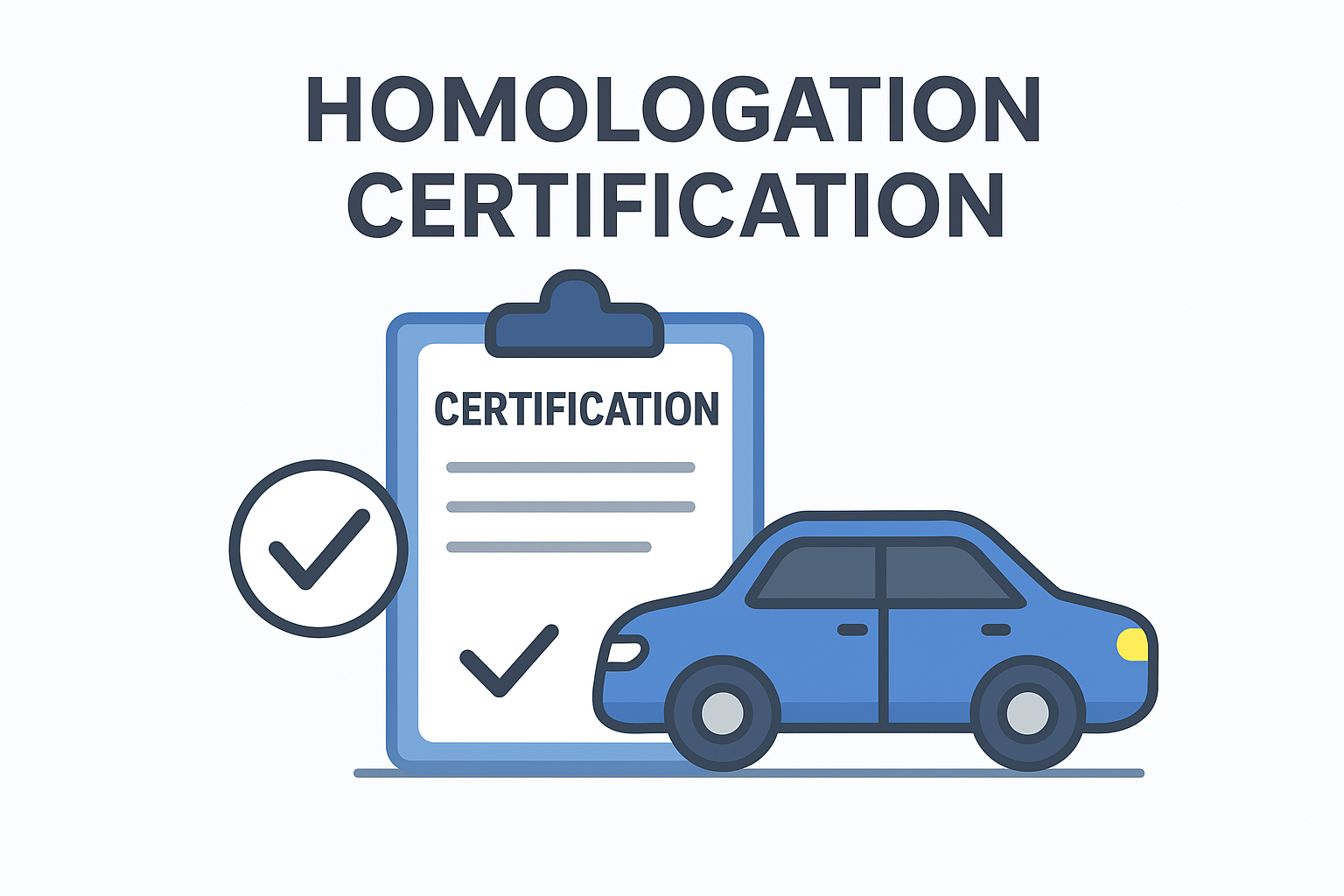
Homologation Certification is an official document issued after a vehicle or component passes testing and assessment against regulatory compliance standards. It confirms that the product is fit for use and safe for public roads. The certification applies to:
Two-wheelers
Three-wheelers
Passenger cars
Commercial vehicles
Electric vehicles (EVs)
Hybrid vehicles
Automotive components and systems
The focus keyword Homologation Certification is essential for manufacturers and importers looking to sell products in India and other regulated regions worldwide.
Why Homologation Certification is Important
Homologation Certification plays a critical role in ensuring that vehicles are safe and environmentally compliant. Some major benefits include:
Ensures Road Safety
Safety tests reduce accident risks and protect drivers, passengers, and pedestrians.
Compliance with Government Standards
No automotive product can be sold without completing the certification process.
Builds Customer Trust
Certified vehicles hold higher credibility and demand.
Smooth Customs Clearance for Imports
Importers need approval to release vehicles from ports.
Improves Export Opportunities
Compliant vehicles meet global regulatory frameworks.
Vehicle Homologation – Legal Framework in India
The Homologation of Vehicles in India is governed by strict rules under:
CMVR – Central Motor Vehicle Rules
AIS / BIS Standards
Bharat Stage (BS) emission norms
Automotive regulatory compliance policies
MoRTH & ARAI testing guidelines
Without successful Vehicle Homologation, no manufacturer can launch, sell, or advertise vehicles or components.
Homologation Certification Process – Step by Step
To achieve Homologation Certification, the manufacturer must follow a detailed process:
Step 1: Selection of Certification Type
Determine if the vehicle requires full type approval, prototype testing, or component-level certification.
Step 2: Submission of Technical Documentation
Required documents include:
Product specification sheet
Detailed drawings and diagrams
Component list
Manufacturing licenses
Safety compliance reports
Test results from own or third-party labs
Step 3: Homologation Testing
Tests performed include:
Safety testing
Emission testing (BS norms)
Performance testing
Noise and vibration testing
Crash and durability testing
Electrical and battery testing for EVs
Step 4: Audit and Verification
Testing facilities validate documentation and inspect plant quality systems.
Step 5: Approval and Certificate Issuance
Once all assessments are completed successfully, the agency issues the Homologation Certification.
Step 6: Production Conformity
Post-certification audits ensure consistent product quality.
Role of Indiannexus – Best Homologation Consultant in India
Managing the homologation process independently can be time-consuming and technically complex. Businesses prefer partnering with expert consultants like Indiannexus, recognized as one of the Best Homologation Consultant in India, for end-to-end support.
Indiannexus provides:
Certification guidance and project handling
Coordination with ARAI, ICAT, and NATRAX
Documentation & technical preparation
Product pre-testing assessment
Complete vehicle certification services
Consulting for import and export approvals
Their experience simplifies compliance and accelerates approval timelines.
Homologation Services India – Who Needs Them?
Vehicle manufacturers
Automotive component suppliers
Electric vehicle startups
Importers of foreign-built vehicles
OEM and aftermarket part sellers
If you are homologating vehicles in India, expert consultancy ensures smooth certification without delays.
FAQs – Homologation Certification
1. What is Homologation Certification?
It is the official approval confirming that vehicles or components meet regulatory standards before being sold.
2. Is homologation mandatory in India?
Yes, Indian vehicle homologation is compulsory under CMVR rules.
3. Who provides homologation testing?
Agencies such as ARAI, ICAT, NATRAX, GARC, and VRDE.
4. Can foreign manufacturers apply for homologation?
Yes, but they need a local representative and authorized consultant.
5. Who is the Best Homologation Consultant in India?
Indiannexus is among the leading service providers offering complete certification support.
Conclusion
The demand for safe, reliable, and environmentally responsible vehicles has made compliance more important than ever. Homologation Certification serves as the backbone of the automotive regulatory framework, ensuring safety, quality, and trust in the marketplace. Whether you are launching new vehicles, importing automotive components, or entering the EV market, partnering with experienced consultants like Indiannexus can simplify the certification journey and accelerate market launch.