






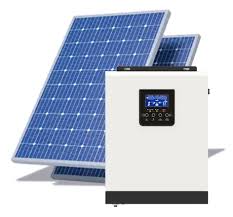
With an increasing emphasis on renewable energy and sustainable development, solar panels have become a crucial component in meeting the world's energy needs. In India, the quality and safety of solar panels are regulated by the Bureau of Indian Standards (BIS) through a compulsory registration process. BIS registration for solar panels ensures that products meet specified quality benchmarks, consumers increase their confidence, and promote the use of reliable technology. This article provides a detailed examination of the BIS registration process for solar panels, its benefits, and the stages involved.
What is BIS Registration?
BIS (Bureau of Indian Standards) is the National Standards Body of India, created under the BIS Act, 2016. It controls quality standards in different products, including electrical and electronic products. BIS registration for some products is compulsory under the compulsory registration scheme (CRS), especially for goods that affect safety, energy efficiency, or consumer welfare.
For solar panels, BIS certification is compulsory to ensure quality norms and safety requirements set by the government of India. This is mainly used on the crystalline silicon terrestrial photovoltaic (PV) module and the thin film Terrestrial photovoltaic (PV) module.
Standards Applicable for Solar Panels
Under the CRS, manufacturers of solar panels need to comply with the following Indian Standards:
IS 14286:2010 – Crystalline silicon terrestrial PV modules – Design qualification and type approval
IS 16077:2013 – Thin-film terrestrial PV modules (design qualification and type approval)
IS/IEC 61730-1 and IS/IEC 61730-2 – Photovoltaic (PV) module safety qualification
These standards ensure that the solar panels are tested for electrical safety, mechanical integrity, and environmental sustainability.
Who Needs to Register?
BIS registration is mandatory for:
Indian manufacturers producing solar PV modules
Foreign manufacturers are exporting solar panels to India.
Both domestic and overseas manufacturers must register their products under BIS before selling them in the Indian market. Foreign manufacturers must appoint an Authorized Indian Representative (AIR) to coordinate the registration process and after-sales responsibilities.
Benefits of BIS Registration for Solar Panels
Assures Quality and Safety: BIS certification ensures that solar panels meet predefined performance and safety standards, reducing the risk of failures or hazards.
Mandatory for Market Entry: For government tenders and distribution through official schemes like MNRE subsidies, BIS registration is a prerequisite.
Boosts Consumer Confidence: Certified products are more likely to be accepted and trusted by consumers and institutional buyers.
Compliance with Indian Regulations: BIS registration helps avoid legal penalties, bans, or recalls in case of non-compliance.
Promotes Export Opportunities: BIS-certified products often receive better recognition in other international markets.
Step-by-Step BIS Registration Process for Solar Panels
1. Product Testing at BIS-Recognized Lab
The manufacturer must send samples of the solar panels to a BIS-approved laboratory for testing as per the relevant standards. The lab issues a test report if the product passes all required checks.
2. Online Application Submission
Once the test report is available, the applicant (or AIR in case of foreign manufacturers) must file an online application with BIS. This includes uploading the test report, factory documents, and other required details.
3. Payment of Fees
The applicable registration and processing fees must be paid online during the application submission.
4. Scrutiny and Verification
BIS evaluates the application, reviews the test report, and may conduct additional verification. In some cases, a factory inspection might be required, especially for new applicants.
5. Grant of Registration
If all documents are in order and the product complies with the standards, BIS issues a registration certificate. The manufacturer is then authorized to use the Standard Mark (ISI Mark) on the solar panels.
6. Surveillance and Renewal
BIS periodically inspects registered products to ensure continued compliance. The certificate is valid for two years and must be renewed before the expiry.
Documents Required for BIS Registration
Product test report from BIS BIS-recognized lab
Copy of manufacturing license
Business registration documents
Factory layout and quality management system details
Authorization letter (for AIR)
Trademark registration or brand ownership proof
Undertaking of compliance with Indian Standards
Conclusion
BIS registration for solar panels is a crucial step toward ensuring the quality, safety, and reliability of solar energy systems in India. It protects end-users, supports the nation’s renewable energy goals, and provides manufacturers with a strong credential in the competitive solar market. Whether you're a domestic manufacturer or a foreign exporter, timely BIS certification can significantly enhance your market potential and brand credibility in India’s rapidly growing solar industry.