





For every manufacturer, importer, or brand operating in India, obtaining BIS Certification is a mandatory step for ensuring product safety and quality. The Bureau of Indian Standards (BIS) regulates this certification process to ensure that only compliant and safe products reach consumers. However, understanding the technical requirements, testing procedures, documentation, and approval flow can be complicated. This is why businesses rely on a professional BIS Consultant in India to simplify the entire certification journey.
If you are planning to obtain BIS certification, streamline compliance, or avoid delays during testing and product approval, connecting with a trusted consulting partner like Indiannexus can make the process efficient and stress-free. This blog provides a complete guide to BIS certification, its importance, procedures, benefits, and the crucial role of a qualified BIS consultant.
What Is BIS Certification?
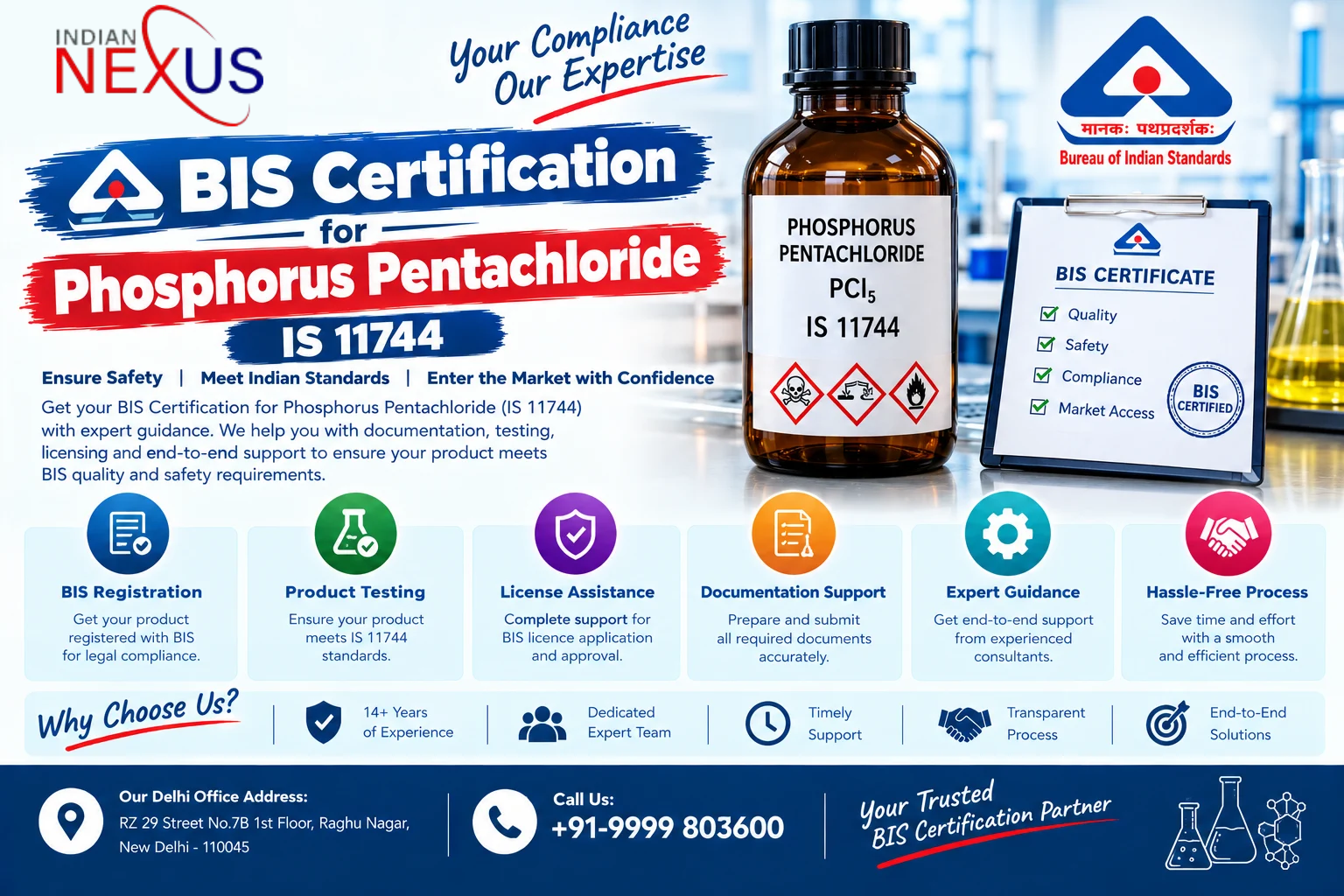
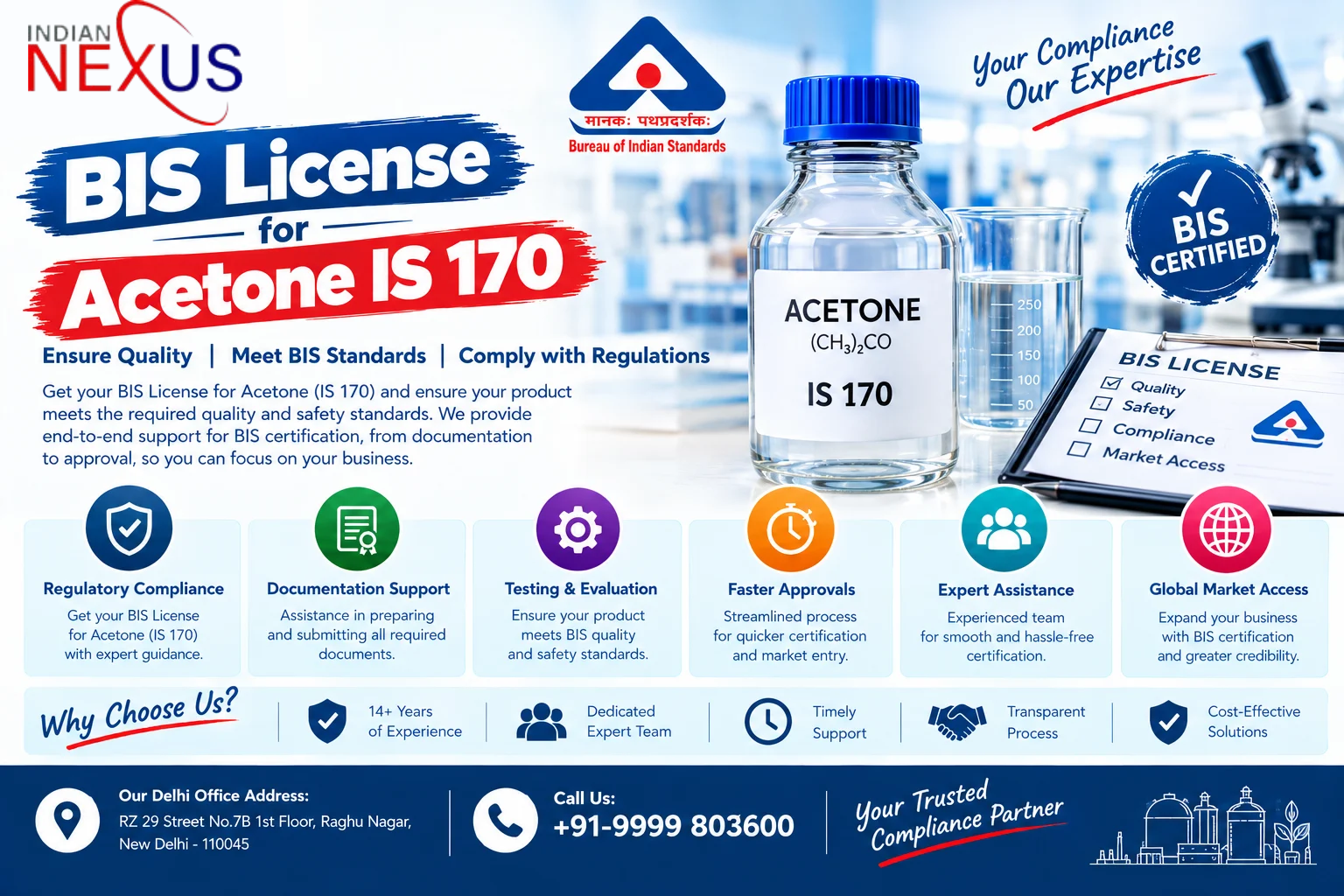
BIS Certification and registration is an official approval that confirms a product meets the safety, quality, and performance requirements specified under relevant Indian Standards (IS). Products under mandatory certification schemes must undergo testing and quality verification before being sold in the Indian market.
BIS offers several schemes such as:
ISI Mark Certification
BIS Certification under Compulsory Registration Scheme (CRS)
Foreign Manufacturer Certification Scheme (FMCS)
BIS Hallmarking
These certifications protect consumers and ensure that only standard-compliant products enter the market.
Why Do Companies Need BIS Certification?
Businesses require BIS certification for:
Legal compliance with Indian laws
Consumer safety assurance
Better product credibility and brand reputation
Market access for regulated products
Prevention of penalties, rejection, or import restrictions
Since BIS norms are highly technical, manufacturers often hire a BIS Consultant in India to navigate these complexities smoothly.
Role of a BIS Consultant in India
Hiring a professional BIS Consultant in India is one of the best decisions for companies manufacturing or importing regulated products. These experts help businesses understand various BIS schemes, test requirements, and certification procedures.
Key services offered by BIS consultants include:
BIS product classification
Identification of the applicable Indian Standard (IS)
Coordination with BIS-approved laboratories
Preparation of technical documentation
Application filing & end-to-end documentation
Support during product testing and factory audits
Compliance maintenance and renewal
A reliable BIS consultant in Delhi, like Indiannexus, ensures there are no mistakes or compliance gaps that may lead to application rejection.
Why Choose Indiannexus for BIS Certification Consulting?
When it comes to BIS certification assistance, Indiannexus is one of India’s trusted names known for its professionalism, experience, and fast service delivery. With years of expertise in regulatory approvals, Indiannexus has become a reliable partner for manufacturers, exporters, and importers.
What Makes Indiannexus the Best Choice?
A dedicated team of BIS specialists
End-to-end support from testing to certification
Experience in dealing with BIS labs and officials
Fast processing and minimal delays
Transparent pricing and guidance
Expertise in ISI Mark, CRS, and FMCS schemes
Their technical knowledge and industry experience make them a preferred BIS Consultant in India for multiple industries.
Types of BIS Certification Offered
1. ISI Mark Certification
Used for mandatory products like electrical appliances, cement, steel, automotive parts, etc.
2. BIS CRS Certification
Required for electronics and IT products falling under the Compulsory Registration Scheme.
3. FMCS Certification
Foreign manufacturers selling regulated products in India must obtain this certification.
4. Hallmarking Certification
Mandatory for gold and silver jewelry sellers.
A professional consultant ensures you choose the correct certification scheme based on product category.
BIS Certification Process – Step-by-Step Guide
Here’s how BIS certification typically works:
Step 1: Product Identification
Determine the applicable Indian Standard (IS).
Step 2: Document Preparation
Collect manufacturing details, product specifications, test reports, and factory information.
Step 3: Product Testing
Submit samples to a BIS-recognized laboratory for testing and evaluation.
Step 4: Application Filing
A consultant helps submit the complete technical file to BIS authorities.
Step 5: Factory Inspection
For ISI Mark & FMCS schemes, on-site audits are required.
Step 6: Grant of BIS License
Once the product meets all requirements, BIS provides certification.
Step 7: Post-Certification Compliance
Consultants help maintain ongoing compliance, renewals, and audits.
This entire process becomes efficient and error-free with the help of an experienced BIS Consultant in Delhi or across India.
Benefits of Hiring a BIS Consultant in India
Saves time and eliminates confusion
Helps avoid application rejection
Accurate documentation and reduction of errors
Ensures faster testing & certification
Expert communication with BIS officials
Helps businesses stay compliant throughout the year
For companies with multiple product lines or stringent deadlines, this support is invaluable.
Industries That Require BIS Certification
Electrical and electronics
Automotive components
Construction materials
Chemicals and industrial goods
Household appliances
Metal and alloy manufacturers
IT equipment manufacturers
If you operate in these industries, you must comply with BIS norms before selling your products in India.
FAQs
Q1. Why is BIS certification important?
It ensures product safety, quality, and regulatory compliance before entering the Indian market.
Q2. How many days does BIS certification take?
Depending on the scheme, it may take 15–75 days, depending on testing and documentation.
Q3. Can Indiannexus help with ISI Mark certification?
Yes, Indiannexus specializes in ISI, CRS, FMCS, and other BIS schemes.
Q4. Do foreign manufacturers need BIS certification?
Yes, they require FMCS certification to sell regulated products in India.
Q5. What documents are required?
Product details, manufacturing information, test reports, factory license, and technical specifications.